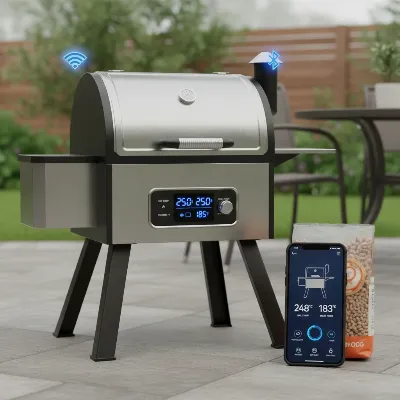
Welcome to the world of pellet smoking, where incredible flavors and convenient cooking converge. Pellet smokers have revolutionized outdoor cooking, offering a “set-it-and-forget-it” experience that delivers mouth-watering results with a distinct wood-fired taste. However, like any powerful cooking appliance, a pellet smoker demands respect for safety. Understanding and implementing essential safety practices isn’t just about protecting your investment; it’s about ensuring a safe and enjoyable experience for you, your family, and your guests. This comprehensive guide will equip you with the knowledge to operate your pellet smoker confidently, from proper placement to meticulous food handling and critical maintenance. Let’s delve into how to keep your pellet smoking adventures safe and delicious.
What is a Pellet Smoker? Why Choose One?
A pellet smoker, often called a pellet grill, is an innovative outdoor cooking appliance that masterfully combines the functions of a grill and a smoker. Its core mechanism involves a hopper, where compressed wood pellets are stored, and an auger system that feeds these pellets into a combustion chamber. An electric igniter starts the pellets, and a fan circulates the heat and smoke throughout the cooking chamber, providing consistent, convection-style cooking. The digital controller allows for precise temperature management, making it remarkably easy to achieve and maintain desired cooking temperatures, much like a conventional oven.
The appeal of pellet smokers is multifaceted. They offer unparalleled convenience, eliminating the need for constant monitoring often associated with traditional charcoal or wood smokers. The consistent temperature control ensures even cooking and reduces the risk of burnt food. Furthermore, pellet smokers impart a rich, smoky flavor to various dishes, from brisket and ribs to chicken, fish, and even baked goods. This versatility, combined with ease of use, makes them a favorite for both seasoned pitmasters and backyard BBQ enthusiasts alike.
Essential Safety Tips for Operating Your Pellet Smoker
Operating a pellet smoker safely involves understanding its unique characteristics and taking proactive measures to prevent hazards. Your outdoor cooking experience should always prioritize safety alongside flavor.
Placement and Clearance
|
Our Picks for the Best Pellet Smoker in 2026
As an Amazon Associate I earn from qualifying purchases.
|
||
| Num | Product | Action |
|---|---|---|
| 1 | Ninja OG751 Woodfire Pro Outdoor Grill Built-In Thermometer,7-in-1 Master Grill,BBQ Smoker,& Outdoor Air Fryer Plus Bake,Roast,Dehydrate & Broil,Woodfire Technology,Weather-Resistant,Grey XL |

|
| 2 | LAZYFOX Smoke Generator for Pellet, Portable Cordless Electric Outdoor Smoker Tube, Wood chips or mix, Hot or Cold Smoking Backyard BBQ, Fit Any Grill or Smoke (Black) |
|
| 3 | 2026 Portable Electric Smoke Generator, Adjustable Smoke Control & Fits 99% Pellet Smokers & Grills, Cold/Hot Smoking Modes for Meats, Salmon & Cheeses – Great Gift Idea for Smoke Lovers |
|
| 4 | BBQ Wood Pellet Grill Smoker with Foldable Cart, Meat Probe, 2 Tiers Cooking Area, Portable Grilling Stove for Outdoor Kitchen Cooking Smoke and Roast, RV Camping, Black GS343 |
|
| 5 | Ninja Woodfire Outdoor Grill & Smoker, 6-in-1 Functionality, Grill, Smoke, Bake, Roast, Air Fry, Broil, Authentic Woodfire Flavors, Electric Heat, OG321 |
|
| 6 | Masterbuilt® 30-inch Digital Electric Vertical BBQ Smoker with Side Wood Chip Loader, Chrome Racks and 710 Cooking Square Inches in Black, Model MB20071117 |
|
| 7 | Advanced Smoke Tube for Pellet Smoker, Latest Upgrade Cold Smoker Generator for Gas Grilling, Portable Cordless Electric, Hot or Cold Smoking: Fit Any Grill or Smoke, Perfect Gifts for Men, Fathers |
|
| 8 | Ninja | Grill & Smoker | Outdoor Woodfire Pro XL | 4 in 1 Grill, BBQ Smoker, Air Fryer & Bake | Portable | Includes Built in Thermometer & 2 Woodfire Pellet Packs | Dark Grey | OG850 |
|
| 9 | Masterbuilt® Slow and Cold Smoker Accessory Attachment With Removable Ash Tray for Masterbuilt Vertical BBQ Smokers in Black, 10" x 10" x 18", Model MB20100112 |
|
| 10 | CLIVIA Indoor Pellet Smoker, Electric Vertical Smart Smoker, Countertop 2 Layers BBQ Grill 10L Smoker Oven for Meat, Sausage, Jerky, Beef, Adjustable 86-230°F |
|
The location of your pellet smoker is paramount to preventing accidents. Always operate your pellet grill outdoors in a well-ventilated area, away from enclosed spaces. Never use it indoors, even if you believe the heat is low, as it produces smoke and combustion byproducts. Ensure adequate clearance around the smoker, maintaining a safe distance from any combustible materials such as your house, deck railings, overhanging trees, awnings, or other flammable structures. A good rule of thumb is at least 10 feet (3 meters) from anything that can catch fire. The area directly beneath and around the smoker should be kept clear of leaves, debris, or anything that could ignite from stray sparks or grease drips.
Fuel and Electrical Safety
The fuel for your pellet smoker is specific. Only use food-grade wood pellets designed for cooking. Industrial or heating pellets contain binders and chemicals that are not safe for food consumption and can pose health risks. Always keep your wood pellets dry, as moisture can cause them to swell, jam the auger, or lead to inconsistent burns and potential fire hazards. Store them in airtight containers in a cool, dry place.
Since pellet smokers are electrically powered, adherence to electrical safety is critical. Before each use, visually inspect the power cord for any damage, fraying, or wear. Ensure the cord is secured to prevent tripping hazards and is connected to a Ground Fault Circuit Interrupter (GFCI) outlet. Always turn the control knobs to the “off” position before plugging in or unplugging the unit to prevent surges or unexpected startups. Never expose electrical cords to water or other liquids, and avoid using your smoker in the rain.
Preventing and Managing Fires
While pellet grills are generally safer than some other types of smokers, grease fires can occur, especially at higher cooking temperatures. Regular cleaning is the most effective preventative measure. Grease accumulation in the drip pan and fire pot can ignite, leading to dangerous flare-ups. After every 2-3 cooks, conduct a light clean: scrape the grates, empty the drip tray, and vacuum ash from the fire pot and cooking chamber. A deep clean, involving the removal and scrubbing of grates and drip pans and thorough ash and grease removal, should be performed every few months.
A proper shutdown procedure is also vital. After high-temperature cooking or searing (above 400°F), it’s advisable to lower the grill temperature to around 225°F for 10-15 minutes before initiating the full shutdown cycle. This allows the auger tube to cool and prevents “burn-back,” where pellets smolder or burn back into the auger. In the event of a grease fire, never use water, as it can spread the flames. Instead, close both the main lid and the pellet hopper lid, unplug the unit to cut power to the fan and auger, and if the fire persists, use a fire extinguisher specifically rated for grease and electrical fires (Class B or C). Always have a fire extinguisher readily accessible near your cooking area.
Carbon Monoxide Awareness
Pellet smokers, like all combustion appliances, produce carbon monoxide (CO). Carbon monoxide is a colorless, odorless, and highly toxic gas that can be fatal. This is why strict outdoor-only operation in a well-ventilated area is non-negotiable. The smoke and gases must dissipate freely into the open air, away from windows, doors, or vents that could draw CO into occupied buildings. While the risk of CO poisoning from a properly used outdoor pellet smoker is low, it’s a critical hazard to be aware of. Consider installing carbon monoxide detectors in any nearby living spaces, especially if your smoker is used close to your home.
Safe Food Handling Practices with Pellet Smokers
The ultimate goal of using your pellet smoker is to produce delicious and safe-to-eat food. Proper food handling is as crucial as the cooking process itself.
Internal Temperatures
Visual cues alone are insufficient to determine if meat is safely cooked. Invest in a reliable digital meat thermometer and use it to verify internal temperatures. Different types of meat require different safe minimum internal temperatures to destroy harmful bacteria. For example, poultry should reach 165°F (74°C), ground meats 160°F (71°C), and whole cuts of beef, pork, veal, and lamb 145°F (63°C) with a 3-minute rest. Insert the thermometer into the thickest part of the meat, avoiding bones.
Preventing Cross-Contamination
Cross-contamination occurs when harmful bacteria from raw foods are transferred to cooked foods or surfaces. To prevent this, always wash your hands thoroughly with soap and water before and after handling raw meat. Use separate cutting boards, plates, and utensils for raw and cooked foods. Never place cooked meat back on the same plate that held raw meat without washing it first. When marinating, always do so in the refrigerator, and if you plan to use some of the marinade as a sauce, boil it thoroughly before serving to kill any bacteria.
Temperature Zones
Bacteria multiply rapidly between 40°F (4°C) and 140°F (60°C) – this is known as the “danger zone.” To keep food safe, thaw frozen meat in the refrigerator, in cold water (changing the water every 30 minutes), or in the microwave, never at room temperature. Once cooked, keep hot food at or above 140°F (60°C) until serving. If you’re holding food for an extended period, a warming drawer or a low oven setting can help maintain safe temperatures. Promptly refrigerate any leftovers within two hours of cooking (or one hour if ambient temperatures are above 90°F / 32°C).
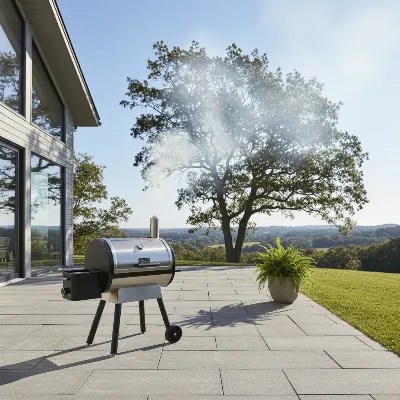 A pellet smoker placed safely outdoors, away from combustible materials and a house, with a clear and open area around it.
Maintenance and Storage for Ongoing Safety
Consistent maintenance and proper storage are vital for the longevity and safe operation of your pellet smoker. Neglecting these aspects can lead to performance issues and potential safety hazards.
Regular Cleaning Schedule
Establishing a regular cleaning routine is paramount for safety and efficiency. A “light clean” should be performed every 2-3 cooks. This involves scraping the cooking grates, emptying the grease bucket, and vacuuming out any ash from the fire pot and the main cooking chamber. For more thorough maintenance, a “deep clean” is recommended every few months or as needed based on usage. This entails removing and scrubbing the grates and drip pan, followed by a comprehensive cleaning of ash and grease buildup within the chamber. Finally, a “full teardown” clean, which includes soaking and degreasing all internal parts, should be done once or twice a year to ensure every component is free of stubborn residue. Always ensure your smoker is completely cool before starting any cleaning process.
Inspecting Components
Beyond routine cleaning, regular inspection of your pellet smoker’s components is essential. Periodically check the auger system for any obstructions or signs of wear, ensuring pellets feed smoothly into the fire pot. Inspect the fire pot itself for excessive ash buildup or damage that could impede proper combustion. Examine the drip pan to confirm it is clear and directs grease effectively into the grease bucket. Furthermore, regularly check all electrical connections and the power cord for any signs of damage, wear, or loose fittings. Addressing these issues promptly can prevent operational failures and electrical hazards.
Proper Storage
When your pellet smoker is not in use, proper storage helps protect it from the elements and maintains its condition. Always remove any remaining pellets from the hopper, as they can absorb moisture and expand, potentially jamming the auger or fostering mold growth. Store unused pellets in a dry, airtight container. Cover your smoker with a weather-resistant cover to protect it from rain, snow, and excessive sun exposure, which can degrade components over time. Store the smoker in a dry, sheltered location like a garage or shed if possible, especially during off-seasons.
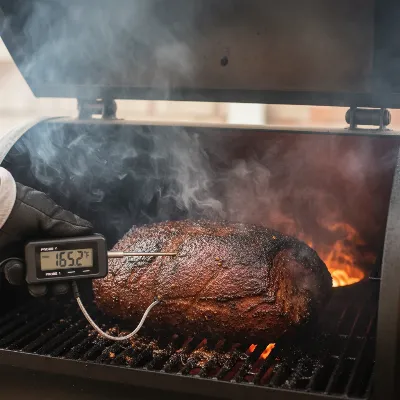 A person using a digital meat thermometer to check the internal temperature of food cooking on a pellet smoker.
Conclusion
Mastering your pellet smoker is a rewarding journey, opening up a world of culinary possibilities. By adhering to essential safety tips—from mindful placement and electrical precautions to diligent fire prevention, carbon monoxide awareness, and stringent food handling—you ensure every cooking session is not only flavorful but also safe. Regular maintenance and proper storage further safeguard your investment and guarantee its reliable performance for years to come. Embrace these practices, and you’ll confidently create unforgettable meals while enjoying peace of mind. What delicious, safely smoked creation will you embark on next?
Frequently Asked Questions
Can I use my pellet smoker on a covered porch?
No, it is strongly advised to only use your Pellet Smoker in an open, well-ventilated outdoor area. Covered porches can trap smoke and dangerous carbon monoxide, which is a colorless, odorless gas that can be fatal if inhaled. Ensure there’s ample space for ventilation and that the smoker is far from any combustible overhead structures.
How often should I clean my pellet grill to prevent grease fires?
To minimize the risk of grease fires and maintain optimal performance, it’s recommended to perform a light cleaning every 2-3 cooks, including scraping grates and emptying the grease tray. A more thorough deep clean, involving the full interior, should be done every few months. Regular cleaning prevents dangerous grease and ash buildup.