The world of barbecue offers a tantalizing array of choices for achieving that perfect smoky flavor, and for many enthusiasts, the decision boils down to two formidable contenders: the Pellet Smoker and the Offset Smoker. Whether you’re a seasoned pitmaster chasing authentic, bold flavors or a home cook seeking consistent, effortless results, understanding the nuances between these smoking powerhouses is crucial. This comprehensive guide will examine the mechanics, benefits, drawbacks, and key considerations for both, helping you navigate the options and choose the smoker that best fits your lifestyle and culinary aspirations for 2026 and beyond.
Understanding Pellet Smokers
A Pellet Smoker represents the modern evolution of backyard barbecue, blending traditional smoke flavors with modern technology. At its core, a pellet smoker operates by automatically feeding compressed hardwood pellets from a hopper into a fire pot using an electric auger. An igniter then lights these pellets, and a fan circulates the heat and smoke throughout the cooking chamber, functioning much like an outdoor convection oven. This sophisticated system allows for remarkably precise temperature control, often managed by a digital controller with PID (Proportional-Integral-Derivative) technology, ensuring stable temperatures for consistent cooking results.
The primary appeal of pellet smokers lies in their unparalleled ease of use. Once you load the hopper with pellets and set your desired temperature, the smoker handles the rest, earning its “set-it-and-forget-it” reputation. This hands-off operation is ideal for beginners or those with busy schedules who want to achieve professional-level barbecue without constant fire management. Many contemporary models also boast Wi-Fi connectivity, allowing you to monitor and adjust your cook from a smartphone app. Beyond smoking, pellet smokers are incredibly versatile, capable of grilling, roasting, baking, and even searing at higher temperatures, making them a true all-in-one outdoor cooking appliance. The clean-burning nature of hardwood pellets also results in less ash and a subtler, consistent smoke flavor that many find appealing. For see our pellet smoker recommendations on this site.
While convenient, pellet smokers do have a few considerations. They require electricity to operate the auger, fan, and digital controller, limiting portability. The initial cost can be higher due to advanced technology, and while parts like augers or igniters can sometimes malfunction, regular cleaning and maintenance usually prevent issues. The smoke flavor, while distinct and pleasant, is often milder compared to an offset smoker, which some traditionalists may find lacking in intensity.
Understanding Offset Smokers
The Offset Smoker, often affectionately called a “stick burner,” stands as a shows traditional barbecue, favored by purists and competitive pitmasters for its authentic, robust smoke flavor. Its design is characterized by two distinct chambers: a smaller firebox attached to the side, where wood logs or charcoal are burned, and a larger horizontal cooking chamber where the meat rests. Heat and smoke from the firebox are drawn into the main cooking chamber, circulating around the food before exiting through a chimney on the opposite side. This indirect cooking method is paramount for “low and slow” barbecue, tenderizing tough cuts of meat and infusing them with deep, smoky characteristics.
What truly sets an offset smoker apart is the hands-on experience it demands. Operating one requires skill and constant attention, as you must manually build and maintain the fire, adjusting dampers on both the firebox and chimney to control airflow and, consequently, the temperature inside the cooking chamber. This active fire management is considered an art form by many, connecting the cook directly to the cooking process. The reward for this effort is an intense, complex smoke flavor that burning real wood logs or charcoal provides. Pitmasters can experiment with various wood types—hickory, mesquite, oak, or fruitwoods—to customize the flavor profile, resulting in a depth of taste often unmatched by other smoker types. Offset smokers are also renowned for their durability, typically constructed from thick steel that ensures excellent heat retention and a long lifespan with proper care. Many models also offer generous cooking capacities, perfect for large gatherings or competitive events.
However, the manual nature of an offset smoker presents a steep learning curve. Maintaining a consistent temperature often requires frequent refueling, sometimes every 30-60 minutes, and constant adjustments to the vents. This makes them less suitable for those seeking a hands-off approach. They are also less fuel-efficient than pellet smokers and can be quite messy, requiring regular cleaning of ash, soot, and creosote. While mechanically simpler, the quality of construction heavily influences performance; cheaper, thin-walled models can be challenging to manage due to air leaks and poor heat retention.
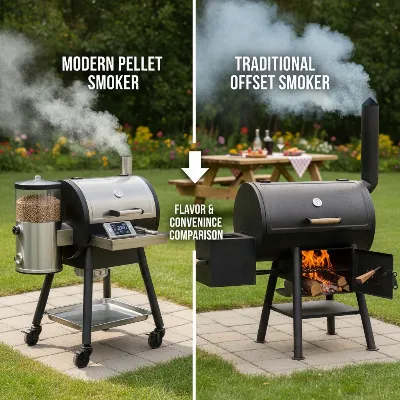 Pellet and offset smokers side-by-side, highlighting key differences in design and fuel source.
Key Differences and Comparison
Choosing between a pellet and an offset smoker largely depends on your priorities regarding flavor, convenience, and hands-on involvement. Here’s a breakdown of their main differentiating factors:
| Feature | Pellet Smoker | Offset Smoker |
|---|---|---|
| Temperature Control | Digital, automatic, precise (PID controller) | Manual, hands-on, requires skill |
| Smoke Flavor | Milder, consistent, clean (can be enhanced) | Richer, bolder, authentic, intense |
| Ease of Use | High (set-it-and-forget-it), beginner-friendly | Low (steep learning curve), requires constant attention |
| Fuel Type | Compressed hardwood pellets (requires electricity) | Wood logs, charcoal |
| Initial Cost | Moderate to high (due to tech) | Varies widely (cheap models to very expensive, heavy-duty) |
| Running Cost | Pellets are consistent, readily available | Wood can be variable, more consumed |
| Maintenance | Easier ash cleanup, complex electrical/mechanical | Messier ash/soot cleanup, rust prevention |
| Versatility | Smoke, grill, bake, roast, some searing | Primarily smoking, some direct grilling on firebox |
| Portability | Limited (needs electricity) | Can be heavy, basic models don’t need electricity |
> “The debate between pellet and offset smokers often comes down to personal preference for convenience versus authenticity. Modern technology has brought incredible ease to smoking, but for some, the true craft lies in mastering a live fire.” – Chef Elena Rodriguez, Award-winning Pitmaster
Choosing Your Smoker: A Buying Guide
The decision between a pellet and an offset smoker is deeply personal, influencing not just your cooking style but your entire barbecue experience. Consider these factors when making your choice:
Your Experience Level
|
Our Picks for the Best Pellet Smoker in 2026
As an Amazon Associate I earn from qualifying purchases.
|
||
| Num | Product | Action |
|---|---|---|
| 1 | Ninja OG751 Woodfire Pro Outdoor Grill Built-In Thermometer,7-in-1 Master Grill,BBQ Smoker,& Outdoor Air Fryer Plus Bake,Roast,Dehydrate & Broil,Woodfire Technology,Weather-Resistant,Grey XL |

|
| 2 | Masterbuilt® Slow and Cold Smoker Accessory Attachment With Removable Ash Tray for Masterbuilt Vertical BBQ Smokers in Black, 10" x 10" x 18", Model MB20100112 |
|
| 3 | Masterbuilt® 30-inch Digital Electric Vertical BBQ Smoker with Side Wood Chip Loader, Chrome Racks and 710 Cooking Square Inches in Black, Model MB20071117 |
|
| 4 | BBQ Wood Pellet Grill Smoker with Foldable Cart, Meat Probe, 2 Tiers Cooking Area, Portable Grilling Stove for Outdoor Kitchen Cooking Smoke and Roast, RV Camping, Black GS343 |
|
| 5 | Ninja | Grill & Smoker | Outdoor Woodfire Pro XL | 4 in 1 Grill, BBQ Smoker, Air Fryer & Bake | Portable | Includes Built in Thermometer & 2 Woodfire Pellet Packs | Dark Grey | OG850 |
|
| 6 | LAZYFOX Smoke Generator for Pellet, Portable Cordless Electric Outdoor Smoker Tube, Wood chips or mix, Hot or Cold Smoking Backyard BBQ, Fit Any Grill or Smoke (Black) |
|
| 7 | Advanced Smoke Tube for Pellet Smoker, Latest Upgrade Cold Smoker Generator for Gas Grilling, Portable Cordless Electric, Hot or Cold Smoking: Fit Any Grill or Smoke, Perfect Gifts for Men, Fathers |
|
| 8 | 2026 Portable Electric Smoke Generator, Adjustable Smoke Control & Fits 99% Pellet Smokers & Grills, Cold/Hot Smoking Modes for Meats, Salmon & Cheeses – Great Gift Idea for Smoke Lovers |
|
| 9 | CLIVIA Indoor Pellet Smoker, Electric Vertical Smart Smoker, Countertop 2 Layers BBQ Grill 10L Smoker Oven for Meat, Sausage, Jerky, Beef, Adjustable 86-230°F |
|
| 10 | Ninja Woodfire Outdoor Grill & Smoker, 6-in-1 Functionality, Grill, Smoke, Bake, Roast, Air Fry, Broil, Authentic Woodfire Flavors, Electric Heat, OG321 |
|
- Beginner: A Pellet Smoker is generally recommended. Its automated temperature control and “set-it-and-forget-it” nature allow you to focus on the food rather than fire management. This significantly reduces the learning curve and delivers consistent results right from the start.
- Experienced Pitmaster/Enthusiast: An Offset Smoker might be your calling. If you enjoy the art of fire management, experimenting with different woods, and the deep, rich flavors that come from a hands-on approach, the offset smoker offers an unparalleled experience.
Desired Flavor Profile
- Milder, Consistent Smoke: If you prefer a clean, subtle smoke flavor that complements rather than dominates your food, a Pellet Smoker is an excellent choice. Many appreciate its consistent smoke production, which avoids over-smoking.
- Bold, Authentic Smoke: For a powerful, traditional barbecue flavor with a deep smoke ring and bark, an Offset Smoker is superior. The ability to burn real wood logs imparts a distinct intensity that pellet smokers typically can’t match.
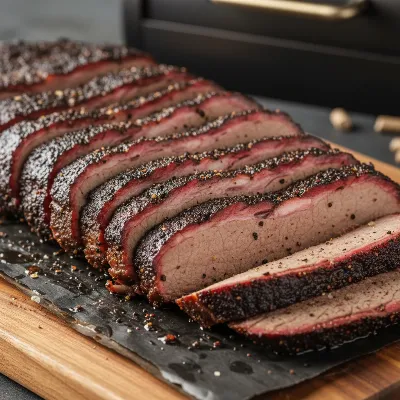 Close-up of perfectly smoked brisket from a pellet smoker, showing a subtle smoke ring and tender texture.
Budget Considerations
- Initial Investment: Pellet Smokers can have a higher entry price point due to their advanced digital components. However, there are many budget-friendly options that offer good performance. Offset Smokers also range widely, with cheaper models often being poorly constructed, while high-quality, heavy-gauge steel offsets can be significantly more expensive.
- Ongoing Fuel Costs: Pellets are generally more expensive per pound than raw wood or charcoal, though their efficiency can balance this out. Offset smokers, especially cheaper, less efficient models, may consume a considerable amount of wood.
Time Commitment
- Minimal Attention: If you prefer to load your smoker and walk away for hours, a Pellet Smoker is ideal. Its automatic feeding and temperature regulation allow you to multitask or even sleep while your food cooks.
- Dedicated Attention: An Offset Smoker demands your presence. You’ll need to monitor the fire, adjust vents, and add fuel regularly throughout the entire cook, turning smoking into a dedicated activity.
Capacity Needs
Both types of smokers come in various sizes. Consider how much food you typically cook. Small pellet grills are great for couples or small families, while large offset smokers are perfect for feeding a crowd or for competitive barbecue.
Construction and Features
- Pellet Smokers: Look for robust construction, reliable digital controllers (PID is a plus), and useful features like Wi-Fi connectivity, meat probes, and easy ash cleanout systems. Brands like Traeger, Camp Chef, and Weber offer models with advanced features in 2026.
- Offset Smokers: Prioritize thick-gauge steel (at least 1/4 inch) for better heat retention and durability. Check for tight seals on doors, effective dampers, and a well-designed airflow path. Quality brands like Yoder and Meadow Creek are known for their heavy-duty construction.
Maintenance and Longevity
Proper care is essential for extending the life and ensuring optimal performance of any smoker.
Pellet Smoker Care
Pellet smokers, with their electronic components and auger systems, require specific maintenance:
- Ash Removal: Regularly vacuum out ash from the fire pot and cooking chamber. Pellets burn cleanly, but residual ash can build up and affect performance.
- Grease Management: Clean grease trays and drip pans after each use to prevent flare-ups and maintain hygiene.
- Auger and Hopper: Keep the pellet hopper dry to prevent pellets from swelling and jamming the auger. Clear any pellet dust or debris from the auger system.
- Component Check: Periodically inspect the igniter, fan, and digital controller for proper function.
- Storage: Store your pellet smoker in a dry, covered area, especially if it has Wi-Fi components, to protect it from the elements.
Offset Smoker Care
Offset smokers are mechanically simpler but can be messier and require more diligent cleaning to prevent rust and creosote buildup:
- Ash and Soot Removal: Regularly shovel out ash from the firebox and scrape soot/creosote from the cooking chamber walls and chimney. Creosote buildup can impart a bitter flavor to food and poses a fire hazard.
- Seasoning: New offset smokers require seasoning (coating with oil and running at high heat) to protect the metal.
- Rust Prevention: Keep the exterior clean and consider using a cover to protect against rust, especially if the smoker is made of thinner steel.
- Grate Cleaning: Clean cooking grates after each use, just like any grill.
- Damper Functionality: Ensure dampers move freely and seal properly for efficient temperature control.
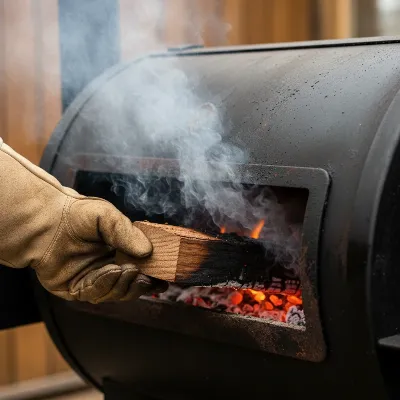 A skilled hand adding wood splits to the firebox of a traditional offset smoker, with smoke gently rising.
Conclusion
The choice between a Pellet Smoker and an Offset Smoker is a quintessential dilemma for any barbecue enthusiast. The Pellet Smoker offers unparalleled convenience, precise temperature control, and versatility, making it an excellent option for beginners and those who prioritize a “set-it-and-forget-it” experience with consistent, milder smoke flavor. Conversely, the Offset Smoker embodies the traditional art of barbecue, demanding hands-on fire management but rewarding the dedicated pitmaster with the boldest, most authentic smoke flavors imaginable.
Neither is inherently “better”; the superior choice is the one that aligns with your personal cooking style, time commitment, budget, and desired flavor profile. Do you crave the meditative challenge and intense flavor of a true stick burner, or do you prefer the ease and technological precision of a modern pellet grill? Regardless of your decision, both types of smokers, when understood and properly maintained, promise to deliver delicious, smoke-infused culinary delights that will impress your family and friends.
Frequently Asked Questions
Is a pellet smoker truly a “grill” or just a smoker?
Pellet smokers are versatile devices that function as both. While they excel at low-and-slow smoking, many models can reach higher temperatures suitable for grilling, roasting, and baking. Advanced pellet grills in 2026 even feature direct-flame access for searing, expanding their grilling capabilities significantly.
Can I get a strong smoke flavor from a pellet smoker?
While pellet smokers generally produce a milder smoke flavor than offset smokers, you can enhance it. Using “smoke boost” settings on some models, adding a smoke tube filled with pellets, or utilizing specific wood pellet blends designed for stronger smoke can all intensify the smoky essence in your food.
Are cheap offset smokers worth buying?
Generally, inexpensive offset smokers (under $500-700) are not recommended. They are often made with thin metal, leading to poor heat retention, air leaks, and extreme difficulty maintaining consistent temperatures. Investing in a heavy-gauge steel offset smoker is crucial for a rewarding experience, even if it means a higher initial cost.
What kind of food is best suited for each smoker type?
Both smokers can handle a wide variety of meats. Offset smokers are often preferred for large cuts like briskets, pork butts, and ribs, where deep smoke penetration is desired. Pellet smokers are excellent for these cuts too, but their versatility makes them ideal for anything from smoked chicken and fish to baked goods and vegetables.
Do offset smokers require a lot of wood?
Yes, offset smokers typically consume more fuel than pellet smokers. They rely on burning wood logs or charcoal, and maintaining a consistent temperature, especially in less insulated models, requires frequent additions of fuel (often every 30-60 minutes). The amount of wood used depends on the smoker’s construction, ambient temperature, and the length of the cook.
