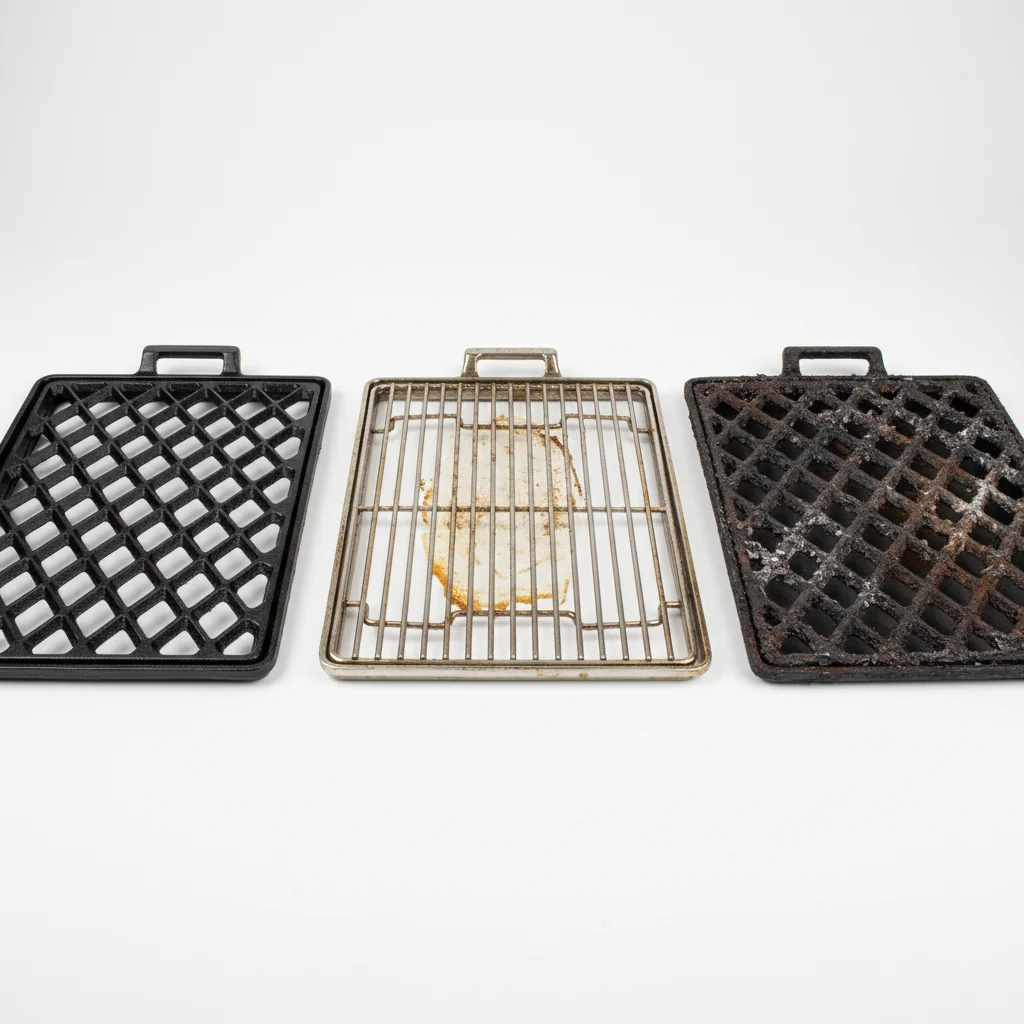
Pellet smoker grill grates are crucial for even cooking and delicious flavor, but they don’t last forever. You should typically replace your pellet smoker grill grates every 2-3 years, or sooner if you notice significant rust, warping, or irreparable damage that affects cooking performance and food safety.
Signs Your Grill Grates Need Replacing
Several indicators suggest it’s time for new grill grates. Heavy rust that can’t be scrubbed away is a primary concern, as it can transfer to food and impact health. Warping, where the grates are no longer flat, leads to uneven cooking and can make food stick. Additionally, if the non-stick coating (if applicable) is flaking off, it’s a clear sign for replacement. Pitting, which creates small holes or depressions, can also harbor bacteria and make cleaning difficult.
Types of Pellet Smoker Grill Grates
Pellet smoker grill grates come in various materials, each with its own benefits and lifespan. Cast iron grates are excellent for heat retention and searing, but require diligent seasoning and maintenance to prevent rust. Porcelain-enameled cast iron offers similar heat properties with easier cleaning, though the enamel can chip. Stainless steel grates are durable, rust-resistant, and relatively low maintenance, making them a popular choice for longevity. Understanding the material of your grates helps in determining their expected lifespan and care requirements.
Extending the Life of Your Grill Grates
|
Our Picks for the Best Pellet Smoker in 2026
As an Amazon Associate I earn from qualifying purchases.
|
||
| Num | Product | Action |
|---|---|---|
| 1 | BBQ Wood Pellet Grill Smoker with Foldable Cart, Meat Probe, 2 Tiers Cooking Area, Portable Grilling Stove for Outdoor Kitchen Cooking Smoke and Roast, RV Camping, Black GS343 |

|
| 2 | Ninja Woodfire Outdoor Grill & Smoker, 6-in-1 Functionality, Grill, Smoke, Bake, Roast, Air Fry, Broil, Authentic Woodfire Flavors, Electric Heat, OG321 |
|
| 3 | CLIVIA Indoor Pellet Smoker, Electric Vertical Smart Smoker, Countertop 2 Layers BBQ Grill 10L Smoker Oven for Meat, Sausage, Jerky, Beef, Adjustable 86-230°F |
|
| 4 | Ninja OG751 Woodfire Pro Outdoor Grill Built-In Thermometer,7-in-1 Master Grill,BBQ Smoker,& Outdoor Air Fryer Plus Bake,Roast,Dehydrate & Broil,Woodfire Technology,Weather-Resistant,Grey XL |
|
| 5 | 2026 Portable Electric Smoke Generator, Adjustable Smoke Control & Fits 99% Pellet Smokers & Grills, Cold/Hot Smoking Modes for Meats, Salmon & Cheeses – Great Gift Idea for Smoke Lovers |
|
| 6 | LAZYFOX Smoke Generator for Pellet, Portable Cordless Electric Outdoor Smoker Tube, Wood chips or mix, Hot or Cold Smoking Backyard BBQ, Fit Any Grill or Smoke (Black) |
|
| 7 | Advanced Smoke Tube for Pellet Smoker, Latest Upgrade Cold Smoker Generator for Gas Grilling, Portable Cordless Electric, Hot or Cold Smoking: Fit Any Grill or Smoke, Perfect Gifts for Men, Fathers |
|
| 8 | Ninja | Grill & Smoker | Outdoor Woodfire Pro XL | 4 in 1 Grill, BBQ Smoker, Air Fryer & Bake | Portable | Includes Built in Thermometer & 2 Woodfire Pellet Packs | Dark Grey | OG850 |
|
| 9 | Masterbuilt® 30-inch Digital Electric Vertical BBQ Smoker with Side Wood Chip Loader, Chrome Racks and 710 Cooking Square Inches in Black, Model MB20071117 |
|
| 10 | Masterbuilt® Slow and Cold Smoker Accessory Attachment With Removable Ash Tray for Masterbuilt Vertical BBQ Smokers in Black, 10" x 10" x 18", Model MB20100112 |
|
Proper maintenance can significantly extend the life of your pellet smoker grill grates. Regular cleaning after each use is paramount to prevent food buildup and rust. Use a stiff-bristled brush or a dedicated grill scraper. Seasoning cast iron grates with cooking oil helps create a non-stick surface and protects against corrosion. For porcelain-enameled grates, avoid abrasive cleaners that can damage the coating. Storing your smoker with a cover also protects grates from the elements, especially moisture, which is a leading cause of rust.
- Clean grates thoroughly after every cook.
- Season cast iron grates regularly with high-smoke-point oil.
- Avoid harsh chemicals on porcelain-enameled grates.
- Store your smoker with a protective cover.
- Inspect for rust and damage before and after each use.
When to Upgrade Your Grill Grates
Beyond simple replacement due to wear and tear, you might consider upgrading your grill grates for enhanced cooking performance. For example, if your current grates are thin wire, upgrading to heavier cast iron or stainless steel can improve heat distribution and searing capabilities. Some aftermarket grates offer unique designs, such as grill grates with built-in channels for better grease management or specialized searing zones. Consider your cooking style and desired outcomes when deciding if an upgrade is worthwhile.
The Impact of Damaged Grates on Food Quality
Damaged or worn-out grill grates can significantly impact the quality of your smoked food. Rust can impart an unpleasant metallic taste and is generally unsafe for consumption. Uneven surfaces from warped grates lead to inconsistent cooking, resulting in some parts of your meat being overcooked while others are undercooked. Additionally, food is more likely to stick to damaged grates, making flipping difficult and tearing the surface of your food. Replacing grates ensures a clean, even cooking surface, which is essential for achieving perfectly smoked results every time.

This was a timely read for me. I noticed the non-stick coating on my grates was really flaking off, and I was worried about it getting into my food. Replaced them with some porcelain-coated grates and my ribs have never tasted better. Definitely worth checking your grates regularly, it makes a huge difference in flavor and safety.
Good info here. I had some serious warping on my original grates after about 4 years, and it was making my chicken skin unevenly crispy. I ended up going with stainless steel this time around, hoping they hold up better to the heat. So far, so good, and cleaning is a breeze compared to my old ones.
I appreciate the advice on checking for rust, but I wish there was more detail on specific brands or where to find good quality replacements. My grates are definitely rusted and I’m having trouble finding ones that fit my specific model without breaking the bank. It’s a bit frustrating trying to figure out the best option.
I’ve been using my pellet smoker for years and honestly, I never really thought about replacing the grates until I read this. My old ones were definitely showing some pitting and food was starting to stick way more than it used to. Swapped them out for some new cast iron ones and the difference is night and day. Everything cooks so much more evenly now.