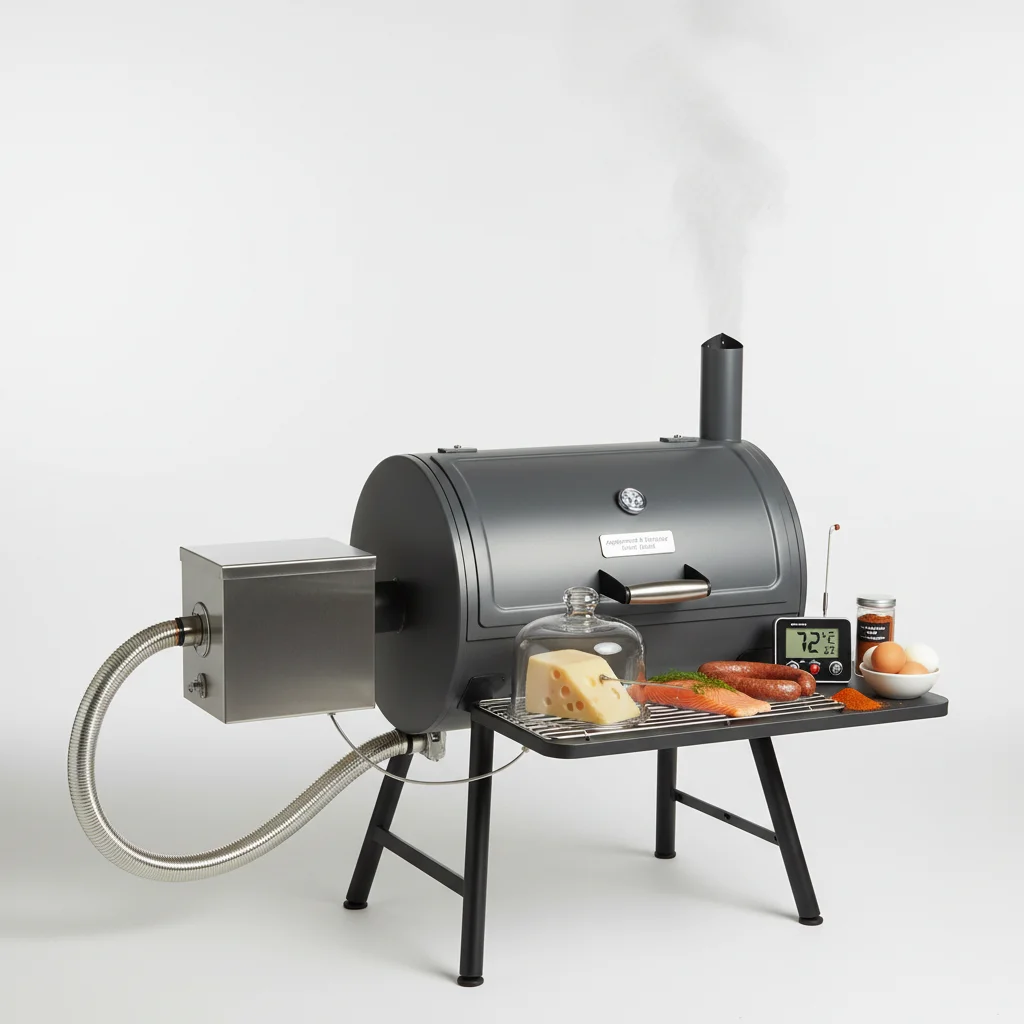
Cold smoking with a pellet smoker is an excellent way to infuse food with rich, smoky flavor without cooking it. The ideal temperature range for cold smoking is between 60°F and 80°F (15°C and 27°C). Maintaining this low temperature is crucial to prevent the food from cooking while still allowing it to absorb the smoke.
Understanding Cold Smoking Principles
Cold smoking is a preservation and flavoring technique that exposes food to smoke at low temperatures. Unlike hot smoking, which cooks the food, cold smoking is primarily about flavor infusion and can extend the shelf life of certain items. It’s commonly used for cheeses, fish, nuts, and cured meats. The key challenge with a pellet smoker is generating smoke without generating too much heat.
Achieving the correct temperature often requires specific accessories or techniques. Many pellet smokers are designed for higher temperatures, so you’ll need to bypass the main heating element or use a separate cold smoke generator. The goal is to produce a consistent, thin blue smoke, which indicates clean combustion and optimal flavor.
Essential Gear for Cold Smoking with a Pellet Smoker
To successfully cold smoke with your pellet smoker, you’ll likely need a cold smoke generator. These devices, often in the form of a maze or tube, burn wood pellets or sawdust slowly to produce smoke without significant heat. They are typically placed inside the main cooking chamber of your pellet smoker, or in a separate smoke box if your model allows.
Another critical piece of equipment is an accurate thermometer. While your pellet smoker’s built-in thermometer is useful for hot smoking, a separate, reliable probe thermometer will give you precise readings of the ambient temperature inside the chamber, ensuring it stays within the desired cold smoking range.
Tips for Maintaining Low Temperatures
|
Our Picks for the Best Pellet Smoker in 2026
As an Amazon Associate I earn from qualifying purchases.
|
||
| Num | Product | Action |
|---|---|---|
| 1 | BBQ Wood Pellet Grill Smoker with Foldable Cart, Meat Probe, 2 Tiers Cooking Area, Portable Grilling Stove for Outdoor Kitchen Cooking Smoke and Roast, RV Camping, Black GS343 |

|
| 2 | Advanced Smoke Tube for Pellet Smoker, Latest Upgrade Cold Smoker Generator for Gas Grilling, Portable Cordless Electric, Hot or Cold Smoking: Fit Any Grill or Smoke, Perfect Gifts for Men, Fathers |
|
| 3 | Ninja OG751 Woodfire Pro Outdoor Grill Built-In Thermometer,7-in-1 Master Grill,BBQ Smoker,& Outdoor Air Fryer Plus Bake,Roast,Dehydrate & Broil,Woodfire Technology,Weather-Resistant,Grey XL |
|
| 4 | LAZYFOX Smoke Generator for Pellet, Portable Cordless Electric Outdoor Smoker Tube, Wood chips or mix, Hot or Cold Smoking Backyard BBQ, Fit Any Grill or Smoke (Black) |
|
| 5 | 2026 Portable Electric Smoke Generator, Adjustable Smoke Control & Fits 99% Pellet Smokers & Grills, Cold/Hot Smoking Modes for Meats, Salmon & Cheeses – Great Gift Idea for Smoke Lovers |
|
| 6 | CLIVIA Indoor Pellet Smoker, Electric Vertical Smart Smoker, Countertop 2 Layers BBQ Grill 10L Smoker Oven for Meat, Sausage, Jerky, Beef, Adjustable 86-230°F |
|
| 7 | Ninja | Grill & Smoker | Outdoor Woodfire Pro XL | 4 in 1 Grill, BBQ Smoker, Air Fryer & Bake | Portable | Includes Built in Thermometer & 2 Woodfire Pellet Packs | Dark Grey | OG850 |
|
| 8 | Ninja Woodfire Outdoor Grill & Smoker, 6-in-1 Functionality, Grill, Smoke, Bake, Roast, Air Fry, Broil, Authentic Woodfire Flavors, Electric Heat, OG321 |
|
| 9 | Masterbuilt® Slow and Cold Smoker Accessory Attachment With Removable Ash Tray for Masterbuilt Vertical BBQ Smokers in Black, 10" x 10" x 18", Model MB20100112 |
|
| 10 | Masterbuilt® 30-inch Digital Electric Vertical BBQ Smoker with Side Wood Chip Loader, Chrome Racks and 710 Cooking Square Inches in Black, Model MB20071117 |
|
Keeping the temperature low in a pellet smoker can be tricky. One effective method is to use an external cold smoke generator, which operates independently of your smoker’s heating element. If you’re using your smoker’s internal components, try running it on the lowest possible setting, often labeled “smoke” or “super smoke,” and keep the lid slightly ajar to prevent heat buildup. However, this method can be less reliable for true cold smoking temperatures.
Consider the ambient outdoor temperature. Cold smoking is much easier to achieve on cooler days. If it’s warm outside, you might struggle to keep the internal temperature below 80°F. Some enthusiasts even use ice baths or frozen water bottles placed strategically in the smoker to help lower the temperature, though this requires careful monitoring.
Best Foods for Cold Smoking
- Cheeses: Hard and semi-hard cheeses like cheddar, gouda, and provolone absorb smoke beautifully.
- Fish: Salmon, trout, and other fatty fish are excellent candidates for cold smoking, often after a curing process.
- Nuts: Almonds, cashews, and pecans gain a delightful smoky depth.
- Cured Meats: Bacon, jerky, and sausages benefit from the flavor and preservation aspects of cold smoking.
- Salt and Spices: Infuse your seasonings with a unique smoky profile.
Safety Considerations for Cold Smoking
Food safety is paramount when cold smoking. Because the food is not cooked to kill bacteria, it’s essential to start with high-quality, fresh ingredients and maintain strict hygiene. Curing meats or fish before cold smoking is often recommended to reduce the risk of bacterial growth. Always ensure your food is kept at safe temperatures before and after smoking, and consume or store it properly.
Never leave food in the “danger zone” (between 40°F and 140°F / 4°C and 60°C) for extended periods. While cold smoking operates below this range, any temperature fluctuations could put your food at risk. Use a reliable food thermometer to check internal temperatures if you have any doubts.
Conclusion
Cold smoking with a pellet smoker, while requiring a bit more finesse than hot smoking, opens up a world of flavor possibilities. By aiming for a temperature range of 60°F to 80°F (15°C to 27°C) and utilizing the right equipment and techniques, you can achieve beautifully smoked cheeses, fish, and other delicacies. Always prioritize food safety to ensure a delicious and healthy outcome.

Finally, someone explained how to actually cold smoke cured meats with a pellet smoker! I was always worried about cooking them, but understanding the difference between hot and cold smoking temperatures was key. My homemade bacon now has that perfect, deep smoke flavor without getting overcooked. This really elevated my curing game.
Great tips for using a pellet smoker for cold smoking. I usually just hot smoke ribs, but I wanted to try some salmon. The advice on using accessories to keep the heat down was spot on. It took a little trial and error to get my Traeger to stay in that ideal 60-80°F range, but the results were worth it. The smoked salmon turned out fantastic.
I’ve been trying to get into cold smoking cheese for ages, and this really helped. My old setup always got too hot, but focusing on keeping it between 60-80°F made all the difference. The cheddar I smoked last weekend was incredible, perfectly smoky without any melting. Definitely a game changer for my charcuterie boards.
I tried cold smoking some nuts after reading this, aiming for that 15-27°C range. While the flavor was good, I found it pretty hard to consistently keep my pellet grill at such a low temp without it flaming out or getting too hot. It felt like I had to babysit it the whole time. Maybe I need a different accessory, but it was more work than I expected.