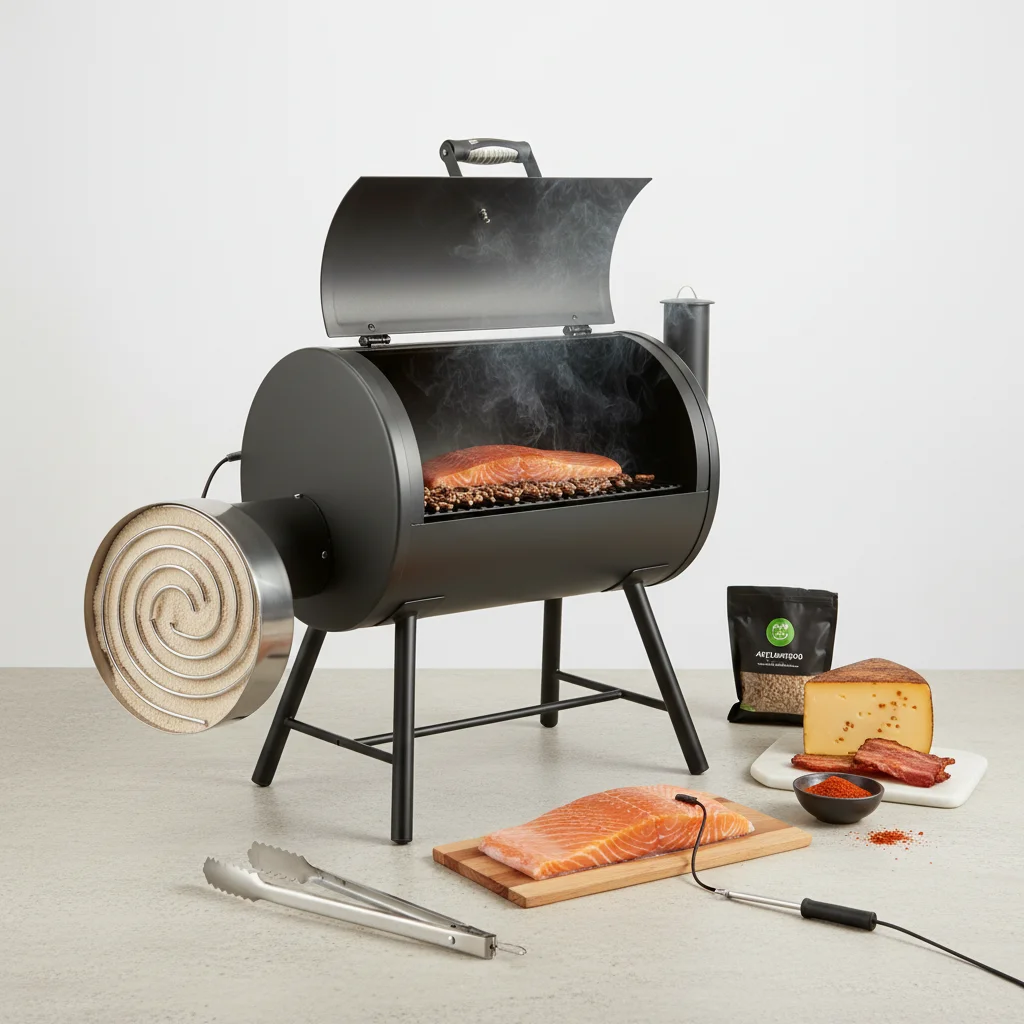
Cold smoking with a pellet smoker is an excellent way to infuse foods with rich, smoky flavor without cooking them. This technique typically involves maintaining temperatures below 90°F (32°C) to prevent the food from cooking while still allowing it to absorb smoke. For beginners, mastering cold smoking requires attention to detail and the right setup. Here are five essential tips to get you started on your cold smoking journey.
Understanding Your Pellet Smoker’s Capabilities
Not all pellet smokers are designed for cold smoking right out of the box. Many models struggle to maintain the very low temperatures required without also generating heat that cooks the food. You’ll often need an accessory like a cold smoke generator or a separate smoke tube to achieve true cold smoking. These devices produce smoke independently of the main heating element, allowing you to keep your smoker’s internal temperature low. Check your smoker’s manual or manufacturer’s website to see if they offer specific cold smoking attachments or recommendations.
Choosing the Right Wood Pellets for Cold Smoking
The type of wood pellets you use significantly impacts the flavor profile of your cold-smoked foods. For cold smoking, milder woods are often preferred as the smoke has more time to penetrate without becoming overpowering. Apple, cherry, and pecan are excellent choices for their subtle, sweet notes, pairing well with cheese, nuts, and fish. Hickory and mesquite can be used sparingly for a bolder flavor, but be cautious not to overdo it, especially with delicate items. Experiment with different wood types to find your preferred flavor combinations.
- Apple: Mild, fruity, great for cheese and poultry.
- Cherry: Slightly sweet, good with fish and nuts.
- Pecan: Rich, nutty, versatile for many foods.
- Oak: Medium, classic BBQ flavor, good for charcuterie.
- Alder: Very mild, ideal for salmon and other fish.
Preparing Your Food for Cold Smoking
|
Our Picks for the Best Pellet Smoker in 2026
As an Amazon Associate I earn from qualifying purchases.
|
||
| Num | Product | Action |
|---|---|---|
| 1 | CLIVIA Indoor Pellet Smoker, Electric Vertical Smart Smoker, Countertop 2 Layers BBQ Grill 10L Smoker Oven for Meat, Sausage, Jerky, Beef, Adjustable 86-230°F |

|
| 2 | Masterbuilt® 30-inch Digital Electric Vertical BBQ Smoker with Side Wood Chip Loader, Chrome Racks and 710 Cooking Square Inches in Black, Model MB20071117 |
|
| 3 | 2026 Portable Electric Smoke Generator, Adjustable Smoke Control & Fits 99% Pellet Smokers & Grills, Cold/Hot Smoking Modes for Meats, Salmon & Cheeses – Great Gift Idea for Smoke Lovers |
|
| 4 | Ninja OG751 Woodfire Pro Outdoor Grill Built-In Thermometer,7-in-1 Master Grill,BBQ Smoker,& Outdoor Air Fryer Plus Bake,Roast,Dehydrate & Broil,Woodfire Technology,Weather-Resistant,Grey XL |
|
| 5 | BBQ Wood Pellet Grill Smoker with Foldable Cart, Meat Probe, 2 Tiers Cooking Area, Portable Grilling Stove for Outdoor Kitchen Cooking Smoke and Roast, RV Camping, Black GS343 |
|
| 6 | Ninja Woodfire Outdoor Grill & Smoker, 6-in-1 Functionality, Grill, Smoke, Bake, Roast, Air Fry, Broil, Authentic Woodfire Flavors, Electric Heat, OG321 |
|
| 7 | Advanced Smoke Tube for Pellet Smoker, Latest Upgrade Cold Smoker Generator for Gas Grilling, Portable Cordless Electric, Hot or Cold Smoking: Fit Any Grill or Smoke, Perfect Gifts for Men, Fathers |
|
| 8 | LAZYFOX Smoke Generator for Pellet, Portable Cordless Electric Outdoor Smoker Tube, Wood chips or mix, Hot or Cold Smoking Backyard BBQ, Fit Any Grill or Smoke (Black) |
|
| 9 | Masterbuilt® Slow and Cold Smoker Accessory Attachment With Removable Ash Tray for Masterbuilt Vertical BBQ Smokers in Black, 10" x 10" x 18", Model MB20100112 |
|
| 10 | Ninja | Grill & Smoker | Outdoor Woodfire Pro XL | 4 in 1 Grill, BBQ Smoker, Air Fryer & Bake | Portable | Includes Built in Thermometer & 2 Woodfire Pellet Packs | Dark Grey | OG850 |
|
Proper food preparation is crucial for successful cold smoking and food safety. For items like cheese, ensure they are at room temperature before placing them in the smoker to prevent condensation and help them absorb smoke more effectively. Curing meats or fish before cold smoking is often a necessary step to enhance flavor and extend shelf life. Always follow established food safety guidelines, especially regarding brining and curing times, to prevent bacterial growth. Patting food dry before smoking also helps smoke adhere better and prevents a bitter taste.
Maintaining Optimal Temperature and Smoke Flow
The key to cold smoking is maintaining a consistent low temperature and a steady flow of clean smoke. Aim for temperatures between 60°F and 90°F (15°C and 32°C). Using a separate cold smoke generator or smoke tube will help achieve this. Ensure there’s adequate ventilation in your pellet smoker to prevent stale smoke, which can impart an acrid flavor. A small fan can sometimes help circulate air if your smoker’s design limits natural airflow. Monitor both the internal temperature of your smoker and the ambient temperature to make necessary adjustments.
Safety and Storage of Cold-Smoked Foods
Food safety is paramount when cold smoking. Because foods are not cooked to high temperatures, they remain in the

This really demystified cold smoking for me. I always thought my Traeger couldn’t do it, but understanding that I need an accessory to generate smoke independently makes so much sense. I’m excited to try cold smoking some nuts and spices this week. Thanks for the clear breakdown!
I’ve been wanting to try cold smoking for ages but was always intimidated. The tip about using a separate smoke tube was a game-changer for my Pit Boss. I finally made some amazing cold-smoked cheese last weekend, and it turned out perfectly. No more worrying about accidentally cooking it!
Good overview, but I wish there was more detail on specific pellet types for cold smoking. I used my usual hickory pellets and found the flavor a bit too strong for the bacon I was trying to make. Maybe a recommendation for milder woods would have been helpful for us newbies.
Great advice for beginners! I’ve tried cold smoking before with mixed results, usually ending up with slightly cooked edges. The reminder about keeping temps below 90°F is crucial, and I’m definitely going to invest in a dedicated cold smoke generator. My next batch of salmon will be perfect.