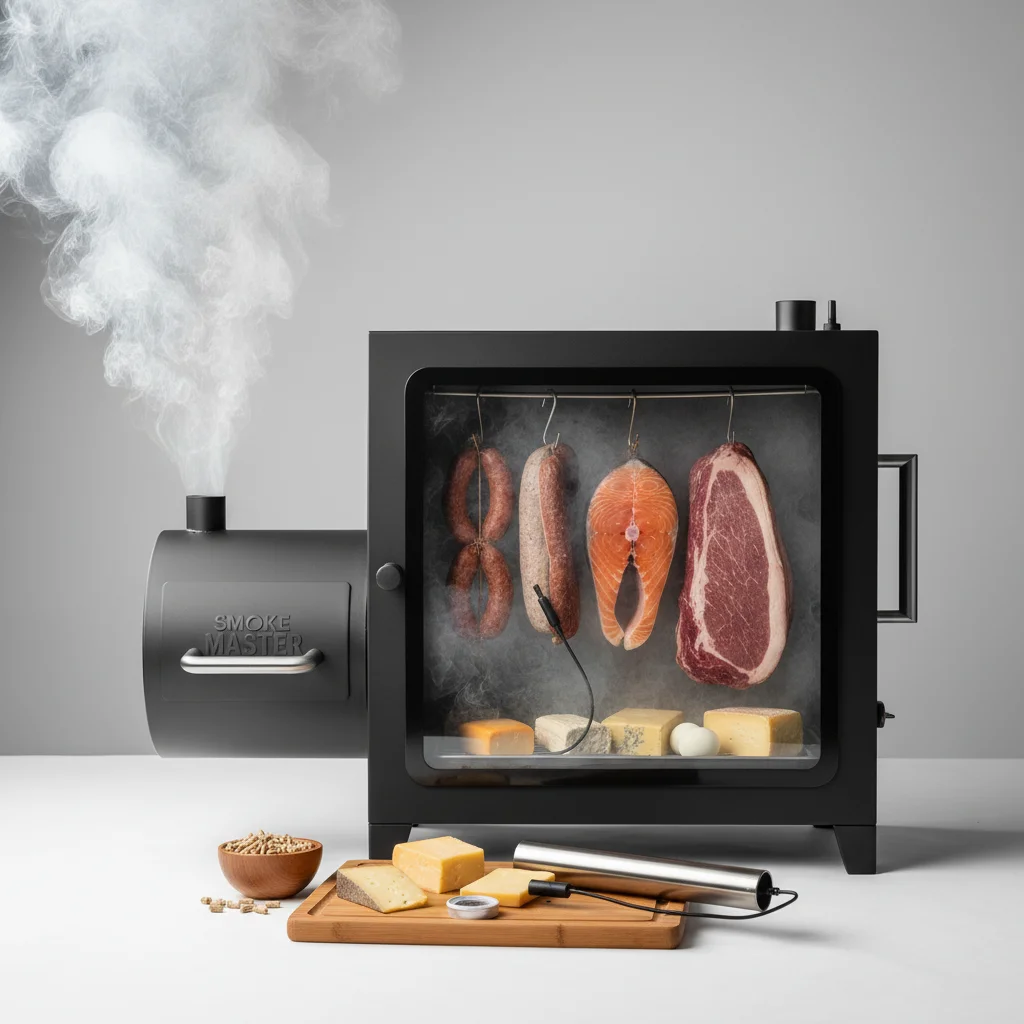
Cold smoking with a pellet smoker is an excellent way to infuse delicate flavors into foods like cheese, fish, and nuts without cooking them. The key to successful cold smoking lies in maintaining a very low temperature, typically below 90°F (32°C), to prevent the food from cooking while still allowing it to absorb the rich, smoky essence. This guide will walk you through the essential steps and considerations for mastering cold smoking with your pellet grill.
Understanding Cold Smoking Principles
Cold smoking differs significantly from hot smoking. While hot smoking cooks food at higher temperatures, cold smoking focuses solely on flavor infusion. This process requires careful temperature control to avoid spoilage and achieve the desired texture and taste. The smoke itself acts as a preservative, but the low temperatures mean that proper food handling and safety are paramount. You’ll need to ensure your pellet smoker can generate smoke without significant heat, often requiring an external smoke generator or a specific technique to keep the main burn pot from igniting fully.
Essential Equipment for Cold Smoking
To effectively cold smoke with a pellet smoker, you’ll likely need more than just the smoker itself. An external cold smoke generator is often the most reliable tool, as it produces smoke independently of the main heating element. These generators typically use wood chips or pellets and can be placed inside or near your smoker. A reliable thermometer, preferably with multiple probes, is also crucial for monitoring both the ambient temperature inside the smoker and the internal temperature of your food. Additionally, consider using a smoke tube or maze for smaller cold smoking projects, which can provide hours of smoke from a small amount of pellets.
- External cold smoke generator for consistent low-temperature smoke.
- Accurate digital thermometer with multiple probes.
- Smoke tube or maze for supplemental smoke.
- Quality wood pellets or chips suitable for cold smoking.
- Food-grade containers for pre- and post-smoking storage.
Preparing Your Pellet Smoker for Cold Smoking
|
Our Picks for the Best Pellet Smoker in 2026
As an Amazon Associate I earn from qualifying purchases.
|
||
| Num | Product | Action |
|---|---|---|
| 1 | LAZYFOX Smoke Generator for Pellet, Portable Cordless Electric Outdoor Smoker Tube, Wood chips or mix, Hot or Cold Smoking Backyard BBQ, Fit Any Grill or Smoke (Black) |

|
| 2 | Ninja OG751 Woodfire Pro Outdoor Grill Built-In Thermometer,7-in-1 Master Grill,BBQ Smoker,& Outdoor Air Fryer Plus Bake,Roast,Dehydrate & Broil,Woodfire Technology,Weather-Resistant,Grey XL |
|
| 3 | BBQ Wood Pellet Grill Smoker with Foldable Cart, Meat Probe, 2 Tiers Cooking Area, Portable Grilling Stove for Outdoor Kitchen Cooking Smoke and Roast, RV Camping, Black GS343 |
|
| 4 | Ninja Woodfire Outdoor Grill & Smoker, 6-in-1 Functionality, Grill, Smoke, Bake, Roast, Air Fry, Broil, Authentic Woodfire Flavors, Electric Heat, OG321 |
|
| 5 | Masterbuilt® 30-inch Digital Electric Vertical BBQ Smoker with Side Wood Chip Loader, Chrome Racks and 710 Cooking Square Inches in Black, Model MB20071117 |
|
| 6 | Advanced Smoke Tube for Pellet Smoker, Latest Upgrade Cold Smoker Generator for Gas Grilling, Portable Cordless Electric, Hot or Cold Smoking: Fit Any Grill or Smoke, Perfect Gifts for Men, Fathers |
|
| 7 | CLIVIA Indoor Pellet Smoker, Electric Vertical Smart Smoker, Countertop 2 Layers BBQ Grill 10L Smoker Oven for Meat, Sausage, Jerky, Beef, Adjustable 86-230°F |
|
| 8 | Masterbuilt® Slow and Cold Smoker Accessory Attachment With Removable Ash Tray for Masterbuilt Vertical BBQ Smokers in Black, 10" x 10" x 18", Model MB20100112 |
|
| 9 | Ninja | Grill & Smoker | Outdoor Woodfire Pro XL | 4 in 1 Grill, BBQ Smoker, Air Fryer & Bake | Portable | Includes Built in Thermometer & 2 Woodfire Pellet Packs | Dark Grey | OG850 |
|
| 10 | 2026 Portable Electric Smoke Generator, Adjustable Smoke Control & Fits 99% Pellet Smokers & Grills, Cold/Hot Smoking Modes for Meats, Salmon & Cheeses – Great Gift Idea for Smoke Lovers |
|
Setting up your pellet smoker for cold smoking involves a few specific steps. First, ensure your smoker is clean to prevent any off-flavors from previous cooks. If using an external smoke generator, position it inside the smoker chamber or connect it according to its instructions. For those attempting cold smoking without a dedicated generator, you might try placing a small amount of pellets in a smoke tube or maze directly in the smoker, ensuring the main auger and igniter are off. It’s vital to create airflow without generating significant heat. Some users even place ice baths inside the smoker to help keep temperatures down, especially on warmer days.
Best Practices for Cold Smoking Various Foods
Different foods require different approaches to cold smoking. For cheese, use a mild wood like apple or cherry and smoke for 2-4 hours, then vacuum seal and age in the refrigerator for at least a week to mellow the smoke flavor. Fish, such as salmon, benefits from a brine before smoking for 4-8 hours with alder or oak. Nuts can be cold smoked for 1-2 hours with pecan or hickory for a savory snack. Always ensure foods are completely dry before smoking to promote better smoke adhesion and prevent bacterial growth. After smoking, allow foods to rest and equalize in flavor before consumption.
For those looking to expand their cold smoking repertoire, consider experimenting with different wood types and smoking durations. The beauty of cold smoking is its versatility and the unique flavors it imparts. Remember to always prioritize food safety by keeping temperatures consistently low and properly storing your smoked goods.Investing in a quality cold smoke generator can significantly enhance your results and make the process much more straightforward.Enjoy the journey of creating delicious, smoky treats right from your backyard!

I’ve always wanted to try cold smoking cheese but was intimidated by the temperature control. This guide really broke it down, especially the part about keeping it below 90°F. My first batch of smoked cheddar came out amazing, perfectly infused without any melting. Definitely a game-changer for my charcuterie boards!
Finally, a clear explanation of how to cold smoke nuts! I’ve tried before and always ended up with them tasting burnt or overcooked. Following the steps here, particularly the emphasis on smoke density and airflow, made all the difference. My smoked almonds are now a huge hit at parties. Thanks for the detailed tips!
I’ve been hot smoking for years, but cold smoking was a new frontier. I tried the salmon recipe mentioned, and the flavor was incredible. The only reason it’s not 5 stars is that my particular pellet smoker struggled a bit to stay consistently below 90°F on a warm day, so I had to monitor it pretty closely. Still, the results were worth the extra effort.
I was excited to try cold smoking some trout after reading this. While the flavor was good, I found the setup for maintaining such low temperatures a bit more involved than I anticipated. My existing pellet grill accessory didn’t quite cut it, and I had to improvise a bit. It worked out, but it wasn’t as straightforward as I hoped for a beginner.