To keep wood pellets dry through winter, store them in a cool, dry, and well-ventilated area, ideally indoors in airtight containers. If outdoor storage is necessary, elevate pellets on pallets, cover them with a waterproof tarp, and ensure proper airflow to prevent moisture absorption and maintain their optimal moisture content of 5% to 10%.
Understanding the Enemy: Why Moisture is a Menace to Wood Pellets
Wood pellets are engineered fuel, typically made from compressed sawdust and wood byproducts, which undergo a high-pressure manufacturing process that removes most of their natural moisture. This density and low moisture content are precisely what makes them so efficient, burning cleanly and consistently. However, this very nature also makes them incredibly sensitive to humidity and direct water exposure. When wood pellets encounter moisture, they rapidly absorb it, causing them to swell, lose their compressed structure, and eventually crumble into sawdust.
The consequences of using wet or degraded pellets are manifold and can severely impact your appliance’s performance and longevity. Damp pellets burn inefficiently, producing less heat and more smoke. They can struggle to ignite, or worse, they might clog the auger system of your pellet stove or smoker, leading to mechanical malfunctions and expensive repairs. The ideal moisture content for pellets is typically between 5% and 10%, a narrow window that ensures optimal combustion and reliable operation. Any significant deviation, particularly an increase in moisture, compromises their integrity and renders them less effective or entirely unusable. For best pellet smoker roundups on this site.
Choosing the Right Location for Winter Pellet Storage
Selecting an appropriate storage location is the foundational step in protecting your wood pellets from winter’s harsh conditions. The goal is to provide a cool, dry, and well-ventilated environment that shields them from direct contact with moisture in all its forms.
Indoor Storage: Garages, Sheds, and Basements
Indoor spaces generally offer the best protection. Garages, sheds, or dedicated utility rooms are excellent choices because they are typically close to your home and offer a stable environment away from the direct elements. When utilizing these spaces, ensure they are dry and well-ventilated to prevent condensation buildup, which can still introduce moisture. Keep pellets elevated off concrete floors using pallets or shelving, as concrete can draw moisture from the ground. Avoid storing pellets near any heat-generating appliances like furnaces, water heaters, or direct sunlight to prevent issues with condensation and potential fire hazards.
Basements can also serve as viable storage areas, provided they are consistently dry. If your basement is prone to dampness, consider using a dehumidifier to maintain optimal conditions. Again, always store pellets on elevated platforms, never directly on the basement floor.
Outdoor Storage Strategies
|
Our Picks for the Best Pellet Smoker in 2026
As an Amazon Associate I earn from qualifying purchases.
|
||
| Num | Product | Action |
|---|---|---|
| 1 | Masterbuilt® Slow and Cold Smoker Accessory Attachment With Removable Ash Tray for Masterbuilt Vertical BBQ Smokers in Black, 10" x 10" x 18", Model MB20100112 |

|
| 2 | Ninja | Grill & Smoker | Outdoor Woodfire Pro XL | 4 in 1 Grill, BBQ Smoker, Air Fryer & Bake | Portable | Includes Built in Thermometer & 2 Woodfire Pellet Packs | Dark Grey | OG850 |
|
| 3 | BBQ Wood Pellet Grill Smoker with Foldable Cart, Meat Probe, 2 Tiers Cooking Area, Portable Grilling Stove for Outdoor Kitchen Cooking Smoke and Roast, RV Camping, Black GS343 |
|
| 4 | CLIVIA Indoor Pellet Smoker, Electric Vertical Smart Smoker, Countertop 2 Layers BBQ Grill 10L Smoker Oven for Meat, Sausage, Jerky, Beef, Adjustable 86-230°F |
|
| 5 | Masterbuilt® 30-inch Digital Electric Vertical BBQ Smoker with Side Wood Chip Loader, Chrome Racks and 710 Cooking Square Inches in Black, Model MB20071117 |
|
| 6 | Ninja Woodfire Outdoor Grill & Smoker, 6-in-1 Functionality, Grill, Smoke, Bake, Roast, Air Fry, Broil, Authentic Woodfire Flavors, Electric Heat, OG321 |
|
| 7 | Ninja OG751 Woodfire Pro Outdoor Grill Built-In Thermometer,7-in-1 Master Grill,BBQ Smoker,& Outdoor Air Fryer Plus Bake,Roast,Dehydrate & Broil,Woodfire Technology,Weather-Resistant,Grey XL |
|
| 8 | LAZYFOX Smoke Generator for Pellet, Portable Cordless Electric Outdoor Smoker Tube, Wood chips or mix, Hot or Cold Smoking Backyard BBQ, Fit Any Grill or Smoke (Black) |
|
| 9 | 2026 Portable Electric Smoke Generator, Adjustable Smoke Control & Fits 99% Pellet Smokers & Grills, Cold/Hot Smoking Modes for Meats, Salmon & Cheeses – Great Gift Idea for Smoke Lovers |
|
| 10 | Advanced Smoke Tube for Pellet Smoker, Latest Upgrade Cold Smoker Generator for Gas Grilling, Portable Cordless Electric, Hot or Cold Smoking: Fit Any Grill or Smoke, Perfect Gifts for Men, Fathers |
|
While indoor storage is ideal, it’s not always feasible, especially for those who purchase pellets in bulk. If outdoor storage is your only option, meticulous planning is essential to combat snow, rain, and fluctuating humidity.
Choose a location that is high ground to prevent water pooling around your storage. Position your pellets away from tall trees that could shed snow or ice directly onto them. The primary defense for outdoor storage is a robust, waterproof covering. Securely tarping your pellet stacks is crucial, but ensure there’s still some airflow to prevent moisture from getting trapped underneath, which can lead to condensation. Elevate all pellets on wooden pallets or racks, keeping them several inches off the ground. Throughout winter, make it a habit to regularly shovel snow away from your outdoor storage containers or stacks to prevent melted snow from seeping in as the temperatures rise.
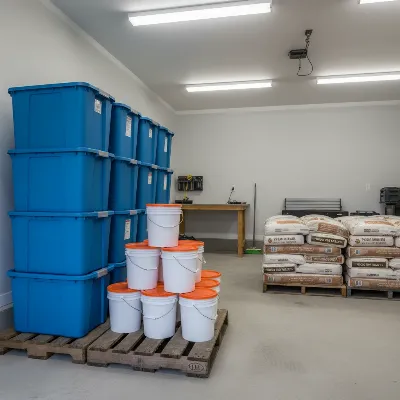 Organized indoor wood pellet storage with airtight bins and elevated bags for winter.
Essential Storage Solutions and Practices
Beyond location, the containers and methods you use play a crucial role in maintaining pellet quality. Investing in the right storage solutions can save you significant hassle and cost down the line.
Airtight Containers: Your First Line of Defense
Once opened, bags of wood pellets are highly susceptible to ambient moisture. This is where airtight containers become invaluable. Heavy-duty plastic storage bins with securely sealing lids are an excellent choice, available in various sizes to suit your needs. For smaller quantities, readily available 5-gallon buckets with snap-on or screw-top lids are very effective. For those managing larger volumes, cleaned and recycled 55-gallon drums (ensure they previously held non-toxic materials) can provide a robust, long-term solution. These containers act as a protective barrier, shielding your pellets from damp air, pests, and minor temperature fluctuations, thereby preserving their energy efficiency. Labeling bins with the date of purchase or filling helps with stock rotation.
Maximizing Protection with Pallets and Proper Stacking
Never store wood pellets directly on the ground or floor, even if they are in bags or bins. Floors, especially concrete, can absorb and transfer ground moisture directly to your pellets, leading to degradation. The simple solution is elevation. Utilize wooden pallets, sturdy shelves, or purpose-built storage platforms to lift your pellets off the surface. For additional protection when using pallets, consider placing a layer of cardboard on top before stacking pellet bags. When stacking multiple bags on a pallet, alternate the direction of each row. This criss-cross pattern creates small air channels between the bags, promoting better air circulation and further minimizing the risk of moisture getting trapped.
Handling Original Bags and Unused Pellets
The original bags that wood pellets come in offer a good initial layer of protection. Ideally, keep these bags sealed until you are ready to use the pellets. Once a bag is opened, it’s best practice to transfer any unused pellets into an airtight container to protect them from environmental exposure. For pellet grill and smoker owners, an often-overlooked step is emptying the hopper after each use. Leaving unused pellets in the hopper, exposed to outdoor elements, can quickly lead to moisture absorption and compromise their quality. Always transfer these leftover pellets to a sealed container for proper storage until your next cook.
Maintaining Pellet Quality and Preventing Common Pitfalls
Even with the best storage solutions, vigilance is key to ensuring your wood pellets remain in prime condition throughout the winter. Regular checks and mindful habits can prevent problems before they start.
Regular Inspection and Stock Rotation
Before loading any pellets into your stove or smoker, take a moment to inspect them. Good quality pellets should be uniform in size, shiny, and have a distinct “snap” when broken in half. If you notice pellets that are soft, crumbling, discolored, or clumped together, they have likely absorbed moisture and should not be used. To ensure consistent quality, practice the “first in, first out” principle: always use your oldest pellets first. Dating your storage containers can help you keep track and prevent any batch from sitting too long.
> “The difference between a perfect smoke and a frustrating one often comes down to pellet quality. Dry pellets ignite easier, burn hotter, and produce the clean, consistent smoke you want for championship BBQ.” – John Rivers, Founder and Pitmaster, 4 Rivers Smokehouse
Avoiding Heat Sources and Overcrowding
Storing pellets away from direct heat sources is critical. While seemingly counterintuitive for a fuel source, excessive heat can cause internal condensation within the bags or containers, trapping moisture and leading to degradation. This also mitigates the risk of spontaneous combustion, as compressed wood pellets can ignite at elevated temperatures. Avoid overcrowding your storage areas. Tightly packed pellets can restrict airflow, increasing the likelihood of dampness and condensation. Ensure there’s enough space for air to circulate around and between your pellet containers or stacks.
What Happens if Pellets Get Wet?
If, despite your best efforts, your wood pellets do get wet, the immediate impact is a significant loss of performance. Wet pellets will struggle to burn efficiently, producing excessive smoke, very little heat, and an inconsistent flame. In pellet stoves, this can mean reduced heating output and more frequent cleaning of ash. For smokers, it translates to poor temperature control and a harsh, acrid smoke flavor that can ruin your food. Severely wet pellets can also cause mechanical issues by expanding and jamming the auger, requiring professional repair. In most cases, wet pellets are beyond salvage and should be disposed of responsibly.
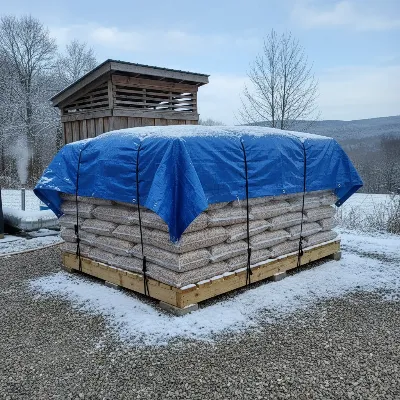 Outdoor wood pellet storage for winter, covered with a tarp and elevated in a pallet.
DIY Wood Pellet Storage Innovations
For those who enjoy a practical project, several DIY solutions can be tailored to your specific space and needs, offering both protection and convenience.
Simple wooden storage boxes can be constructed using plywood, ensuring they are treated with weatherproof sealant or paint to resist moisture. Designing the box with a slanted lid allows rain and snow to run off easily. Adding casters to the base can make large boxes mobile, allowing you to move them closer to your appliance as needed.
If you have ample outdoor space, a dedicated, small shed or outhouse can be an excellent long-term storage solution. Equip it with sturdy shelving to keep pellets off the floor and ensure the shed itself is weatherproof, paying close attention to the roof and walls with vapor barriers or robust roofing materials. Good ventilation within the shed is also crucial to prevent internal condensation.
For bulk users, building a custom pellet hopper provides high-capacity storage with easy dispensing. These can be constructed from plywood or metal, designed with a chute or door at the bottom for convenient transfer of pellets into buckets or directly into your appliance’s hopper. Always elevate any custom hopper off the ground to prevent moisture from wicking up from below.
Conclusion
Keeping your wood pellets dry through winter is a non-negotiable aspect of responsible ownership, whether you’re heating your home or perfecting your smoked meats. By prioritizing a dry, cool, and elevated storage environment, utilizing airtight containers, and adopting smart practices like regular inspection and stock rotation, you can ensure your pellets remain in peak condition. These efforts not only safeguard your investment in fuel but also protect your valuable appliances from damage, ensuring reliable performance and a consistently enjoyable experience even in the depths of winter. What steps will you take this winter to guarantee your wood pellets stay perfectly dry and ready for action?
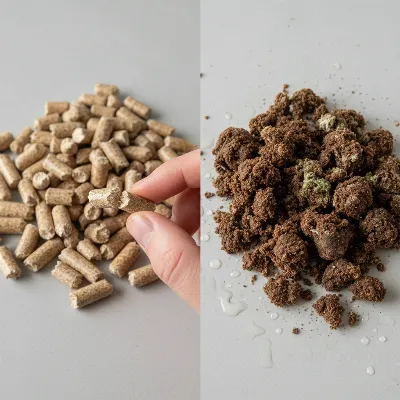 Comparison of dry, intact wood pellets versus swollen, crumbled wet wood pellets.
Frequently Asked Questions
Can I store wood pellets in their original bags outdoors?
While original bags offer some protection, they are not completely waterproof. For outdoor storage, it is crucial to place them on elevated pallets or racks, on high ground, and securely cover them with a waterproof tarp that still allows for some air circulation to prevent condensation.
How long do wood pellets last if stored properly?
When stored in airtight, dry conditions, wood pellets can last for several months to a year or more without significant degradation. Proper storage prevents moisture absorption, which is the main factor in their spoilage.
How can I tell if my wood pellets are wet or spoiled?
Dry pellets are firm, uniform, and will snap cleanly when broken. Wet or spoiled pellets will appear swollen, soft, crumbly, or mushy. They may also have a dull appearance or show signs of mold.
Is it okay to store wood pellets in a damp basement?
No, a damp basement is not an ideal place for wood pellet storage. Pellets readily absorb moisture from the air. If you must use a basement, ensure it is completely dry, possibly with a dehumidifier, and always store pellets off the floor on elevated platforms.
Why should I keep pellets away from heat sources?
Storing pellets near heat sources can cause condensation inside the bags or containers due to temperature fluctuations, introducing moisture. Wood pellets are flammable, and storing them too close to heat sources poses a fire risk.
Do wood pellets attract pests?
High-quality wood pellets made solely from compressed wood typically do not attract pests, especially when stored in sealed, airtight containers. However, pellets with additives like shelled corn might be more attractive to rodents or insects.
What is the ideal temperature for storing wood pellets?
Wood pellets should be stored in a cool, dry environment. While there isn’t a specific “ideal” temperature, avoiding extreme heat or rapid temperature fluctuations helps prevent condensation and maintains the integrity of the pellets.

I used to have so many issues with my pellets swelling and jamming my auger during the colder months. Following the advice here about airtight containers indoors has been a game-changer. My Traeger runs so much smoother now, and I’m not wasting nearly as many pellets. Definitely recommend keeping them at that 5-10% moisture content.
I tried the outdoor storage method with the tarp and pallets, but I still had some clumping with my last bag of mesquite pellets. It definitely helped more than just leaving them on the ground, but I think next winter I’ll have to invest in some better sealed bins. It’s tough to keep them perfectly dry when it’s really humid.
The tip about elevating pellets on pallets for outdoor storage was really helpful. I don’t have a ton of indoor space, so I’ve been trying to make my shed work. Covering them with a good waterproof tarp and getting some airflow has made a noticeable difference. My last batch of ribs came out perfect, no issues with damp pellets.
Understanding why moisture is such a menace to wood pellets really clicked for me after reading this. I always knew it was bad, but the explanation about their engineered nature and rapid absorption made sense. Now I’m super diligent about keeping my pellets in a cool, dry, and well-ventilated spot, and my smokes have been consistently better.