To stop huge temperature swings on your pellet smoker, ensure you use high-quality, dry pellets, meticulously clean the fire pot and auger system, and maintain proper airflow by clearing vents and fan blades. Additionally, minimize lid openings, insulate your smoker in cold or windy conditions, and verify the accuracy of your RTD temperature probe. Addressing these factors can significantly improve temperature stability, leading to more consistent and reliable cooking results.
Understanding Pellet Smoker Temperature Swings: Why They Happen
Pellet smokers are marvels of modern barbecue technology, combining the convenience of a gas grill with the authentic wood-fired flavor of a traditional smoker. They work by feeding wood pellets from a hopper into a fire pot via an auger. An igniter starts the pellets, and a fan (blower) controls the airflow, stoking the flame and distributing heat and smoke throughout the cooking chamber. A digital controller, often equipped with an RTD (Resistance Temperature Detector) probe, monitors the internal temperature and adjusts the pellet feed rate and fan speed to maintain your desired setting.
It’s important to understand that some minor temperature fluctuations are normal. Your pellet grill’s controller aims for an average temperature, much like your home oven, allowing for slight rises and falls, typically within ±15-25°F (±9.5-14°C) of your set point. This design even contributes to the smoky flavor. However, when your grill’s temperature repeatedly drops to 200°F and spikes to 325°F on a 250°F setting, you’re experiencing problematic “huge temperature swings” that demand attention.
Several factors can disrupt this delicate balance, leading to instability:
- Pellet Quality and Supply: The fuel itself is often the primary culprit. Low-quality, old, wet, or dusty pellets don’t burn efficiently or consistently, leading to erratic heat. Pellets that are too long can also cause “bridging” in the hopper, interrupting the flow.
- Dirty Components: Ash buildup in the fire pot, sawdust accumulating in the hopper or auger, or heavy grease on the RTD probe can all hinder proper operation. Ash smothers the fire, sawdust doesn’t ignite, and a dirty probe sends inaccurate readings to the controller.
- Airflow Obstructions: The fire needs oxygen. Blocked vents, improperly placed heat baffles or drip trays, loose foil liners, or even an overcrowded cooking grate can restrict crucial airflow, causing the fire to struggle or flare.
- Environmental Factors: External conditions like extreme cold, high winds, or even direct sunlight can significantly impact your smoker’s ability to maintain a steady internal temperature. Heat escapes faster in cold, windy conditions, forcing the grill to work harder.
- Lid Discipline: Every time you lift the lid, a rush of cold air enters the chamber, causing the temperature to plummet. The controller then overcompensates, leading to a temporary spike as it tries to recover.
- Faulty or Damaged Parts: A malfunctioning RTD probe, a damaged heat baffle or drip tray, or issues with the fan or auger motor can all directly contribute to temperature instability.
Understanding these underlying causes is the first step toward achieving the consistent, even heat that makes for truly exceptional barbecue.
Essential Checks Before You Start Smoking
Before diving into complex troubleshooting, it’s always wise to begin with a few fundamental checks. Many significant temperature swings can be resolved by addressing simple maintenance or preparation oversights. Think of these as your pre-flight checklist for a smooth smoking session.
Pellet Quality and Storage
|
Our Picks for the Best Pellet Smoker in 2026
As an Amazon Associate I earn from qualifying purchases.
|
||
| Num | Product | Action |
|---|---|---|
| 1 | Ninja OG751 Woodfire Pro Outdoor Grill Built-In Thermometer,7-in-1 Master Grill,BBQ Smoker,& Outdoor Air Fryer Plus Bake,Roast,Dehydrate & Broil,Woodfire Technology,Weather-Resistant,Grey XL |

|
| 2 | Advanced Smoke Tube for Pellet Smoker, Latest Upgrade Cold Smoker Generator for Gas Grilling, Portable Cordless Electric, Hot or Cold Smoking: Fit Any Grill or Smoke, Perfect Gifts for Men, Fathers |
|
| 3 | CLIVIA Indoor Pellet Smoker, Electric Vertical Smart Smoker, Countertop 2 Layers BBQ Grill 10L Smoker Oven for Meat, Sausage, Jerky, Beef, Adjustable 86-230°F |
|
| 4 | LAZYFOX Smoke Generator for Pellet, Portable Cordless Electric Outdoor Smoker Tube, Wood chips or mix, Hot or Cold Smoking Backyard BBQ, Fit Any Grill or Smoke (Black) |
|
| 5 | BBQ Wood Pellet Grill Smoker with Foldable Cart, Meat Probe, 2 Tiers Cooking Area, Portable Grilling Stove for Outdoor Kitchen Cooking Smoke and Roast, RV Camping, Black GS343 |
|
| 6 | Ninja | Grill & Smoker | Outdoor Woodfire Pro XL | 4 in 1 Grill, BBQ Smoker, Air Fryer & Bake | Portable | Includes Built in Thermometer & 2 Woodfire Pellet Packs | Dark Grey | OG850 |
|
| 7 | Masterbuilt® Slow and Cold Smoker Accessory Attachment With Removable Ash Tray for Masterbuilt Vertical BBQ Smokers in Black, 10" x 10" x 18", Model MB20100112 |
|
| 8 | Ninja Woodfire Outdoor Grill & Smoker, 6-in-1 Functionality, Grill, Smoke, Bake, Roast, Air Fry, Broil, Authentic Woodfire Flavors, Electric Heat, OG321 |
|
| 9 | Masterbuilt® 30-inch Digital Electric Vertical BBQ Smoker with Side Wood Chip Loader, Chrome Racks and 710 Cooking Square Inches in Black, Model MB20071117 |
|
| 10 | 2026 Portable Electric Smoke Generator, Adjustable Smoke Control & Fits 99% Pellet Smokers & Grills, Cold/Hot Smoking Modes for Meats, Salmon & Cheeses – Great Gift Idea for Smoke Lovers |
|
Your pellets are the lifeblood of your smoker, and their condition profoundly impacts temperature stability. Always use high-quality, 100% hardwood pellets from a reputable brand. Inspect your current pellets for signs of degradation:
- Moisture: Wet or damp pellets absorb humidity, crumble easily, and burn inconsistently. If your pellets look dull, feel soft, or break apart easily, they’ve likely absorbed moisture and should be replaced.
- Sawdust: A significant amount of sawdust at the bottom of the hopper or in the auger can lead to feeding issues and poor combustion, as sawdust doesn’t ignite properly.
- Length: Pellets that are excessively long (over 1.5 inches) can “bridge” in the hopper, creating gaps and interrupting the consistent flow to the fire pot. Optimal length is typically between 0.5 to 0.75 inches.
Store your pellets in airtight containers in a cool, dry place to protect them from humidity and extend their shelf life. If your pellets are older than six months, it’s often best to clear them out and start with a fresh bag.
Hopper and Auger Cleanliness
A clean pellet delivery system is vital for uninterrupted fuel supply.
- Hopper: Regularly check for and vacuum out any accumulated sawdust or small pellet fragments at the bottom of the hopper. This debris can get fed into the fire pot, causing inconsistent burning.
- Auger System: Over time, old pellets or debris can cause jams in the auger, preventing pellets from reaching the fire pot. If accessible, inspect the auger for any blockages and clear them gently with a soft brush or cloth.
Fire Pot and Ash Cleanliness
The fire pot is where the magic happens, and it needs to be clear of obstructions for efficient burning.
- Ash Buildup: Ash from burned pellets can accumulate in the fire pot, smothering the flame and restricting airflow, which directly leads to temperature drops. After every 2-3 cooks, or at least every 20 hours of cook time, use a shop vac to thoroughly clean out all ash from the fire pot.
- Igniter: Ensure the igniter rod is clear of ash and debris. A dirty igniter may struggle to light pellets, leading to startup issues or inconsistent flame.
Heat Baffle and Drip Tray Placement
These components are crucial for proper heat distribution and protection from direct flame.
- Correct Placement: Always ensure your heat baffle and drip tray are installed correctly and seated firmly in their designated positions. Incorrect placement can disrupt airflow and heat circulation, causing hot spots or temperature inconsistencies.
- Damage/Warping: Inspect these parts for excessive warping, rusting, or holes. While mild warping is normal, significant damage can prevent proper heat deflection and air circulation. If damaged, consider replacing them.
- Foil Liners: If you use heavy-duty foil as a drip tray liner, ensure it’s wrapped tightly and flush against the drip tray. Loose or fanned-out foil can impede airflow, causing temperature irregularities.
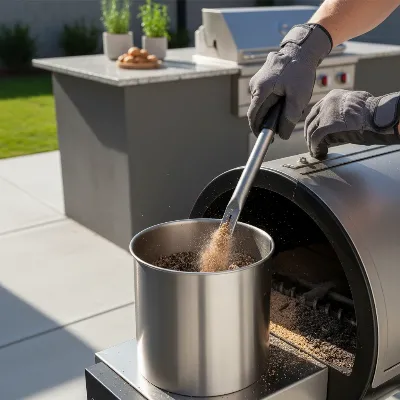 A person cleaning the pellet hopper and auger of a pellet smoker, ensuring no dust or debris
Advanced Troubleshooting and Solutions
If your temperature swings persist after checking the basics, it’s time to examine more advanced troubleshooting. These steps often involve inspecting critical electrical components and understanding how your smoker’s technology influences its performance.
Calibrating or Replacing the RTD Temperature Probe
The RTD (Resistance Temperature Detector) probe is your smoker’s internal thermometer, providing feedback to the controller. If it’s dirty, damaged, or malfunctioning, your controller will receive inaccurate readings, leading to poor temperature regulation.
- Clean the Probe: Gently clean any buildup off the RTD probe. Grease or residue can insulate the probe, causing it to read cooler than the actual temperature.
- Inspect for Damage: Check if the probe is bent, corroded, or touching any other components within the grill. Any physical damage can compromise its accuracy.
- Verify Accuracy: You can test your probe’s accuracy using an ice bath (32°F / 0°C). If it reads significantly off, recalibration (if your model allows) or replacement might be necessary. Some users even use a reliable external thermometer to compare readings.
Understanding and Adjusting Your Controller (PID vs. Standard)
The controller is the brain of your pellet smoker.
- PID Controllers: Many modern pellet smokers feature PID (Proportional-Integral-Derivative) controllers, which are designed to be more precise, minimizing temperature swings. These controllers continuously calculate and adjust pellet feed and fan speed based on real-time data.
- Standard Controllers: Older or more basic models might have simpler controllers that result in naturally wider temperature fluctuations.
- Firmware Updates: For Wi-Fi enabled or smart grills, ensure your controller’s firmware is up to date. Manufacturers often release updates that improve temperature management algorithms. If you suspect a faulty controller or are using a non-OEM controller, contact customer support or consider a replacement.
Ensuring Proper Airflow and Fan Function
Consistent airflow is critical for a clean, stable burn.
- Exhaust/Chimney: Ensure your chimney cap or exhaust vent is set with a thumb-sized gap (if applicable) to allow proper smoke and heat escape. Blocked exhaust can choke the fire.
- Combustion Fan: The induction fan supplies oxygen to the fire pot. Inspect it for blockages from ash, grease, or debris. A dirty or malfunctioning fan can lead to insufficient oxygen, causing the fire to smolder inconsistently. Clean the fan blades if needed.
- Cooking Grate Clearance: Avoid overcrowding the cooking grates with too much food or large pans, as this can restrict the internal airflow needed for even heat distribution. Maintain at least an inch of clearance around the edges.
Sealing Lid Gaps and Insulating Your Smoker
Heat loss directly contributes to temperature instability, especially in colder climates.
- Lid Seals: Check your smoker’s lid and door (for vertical smokers) for any gaps or leaks where smoke and heat can escape. Gaskets around the lid can wear out over time. High-temperature gasket material can be used to seal these gaps, improving heat retention.
- Insulation: In cold or windy conditions, external insulation can drastically reduce temperature swings and pellet consumption.
- Insulated Blankets: An insulated blanket is a cost-effective way to wrap the main body of your smoker, creating a buffer against the elements. Many cooks report significant fuel savings and better temperature stability.
- Double-Wall Construction: Some premium models feature double-wall insulation, offering superior year-round temperature stability.
Managing External Environmental Factors
Your smoker doesn’t operate in a vacuum; external conditions play a significant role.
- Wind: Wind can draw heat away from your smoker and even starve the fire of oxygen, causing temperature drops or blowouts. Position your smoker out of direct wind or use a windbreak.
- Cold Weather: In freezing temperatures, your smoker will burn more pellets to maintain the set temperature, and recovery times after opening the lid will be longer. Using an insulation blanket is highly recommended.
- Direct Sunlight: In hot weather, direct sunlight can cause temperature overshoot. Position your smoker in the shade to help prevent this.
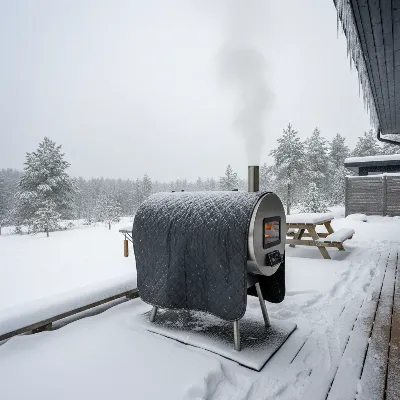 A pellet smoker covered with an insulated blanket, operating outdoors in a cold, windy environment
Best Practices for Consistent Temperature Management
Achieving consistent temperatures in your pellet smoker isn’t just about troubleshooting problems; it’s also about adopting smart cooking habits and a proactive maintenance mindset. These practices will help you minimize fluctuations and ensure a smoother, more enjoyable smoking experience.
Preheat Thoroughly
Just like your kitchen oven, a pellet smoker needs ample time to reach and stabilize its temperature. Don’t rush the preheating process.
- Heat Soak: Allow your smoker to preheat to your desired temperature and then “heat soak” for an additional 10-15 minutes, especially in colder weather. This allows the metal components to fully absorb heat, leading to more stable temperatures once food is introduced.
- Temperature Recovery: After adding cold food, the internal temperature will naturally drop. Give the smoker time to recover and stabilize before making any adjustments.
Avoid Frequent Lid Opening
This is perhaps the most common mistake and one of the biggest contributors to temperature swings. The old adage, “If you’re looking, you ain’t cookin’,” holds true for a reason.
- Heat Loss: Every time you lift the lid, a significant amount of heat escapes, causing the internal temperature to plummet. The controller then responds by feeding more pellets and increasing fan speed, leading to a temperature spike once the lid is closed and the system catches up.
- Strategic Opening: Plan your lid openings. If you need to spritz, rotate food, or check doneness, do so quickly and efficiently, then close the lid immediately. Limit peeking as much as possible, relying on reliable meat probes instead.
Choose the Right Pellets
We’ve discussed quality, but choosing the right type of pellet can also influence performance.
- Hardwood vs. Blends: Stick to 100% hardwood pellets from reputable brands. Avoid “filler” woods or blends with artificial additives, as they can burn inconsistently and produce more ash.
- Flavor Profile: While flavor is a personal preference, some woods burn hotter or with different ash characteristics. Experiment to find a brand and wood type that performs well in your smoker. Oak-based blends are often recommended for consistent combustion.
Regular Maintenance Schedule
A clean smoker is a happy, consistent smoker. Establish a routine for cleaning.
- After Each Use: Scrape the grates, empty and clean the grease trap, and ensure the shutdown cycle completes properly.
- Every 2-3 Cooks (or 20 hours): Vacuum out the fire pot and ash pot. Check the hopper for sawdust. Inspect the heat baffle and drip tray.
- Monthly/Seasonally: Perform a deeper clean of the entire internal chamber, including the fan blades, RTD probe, and auger area. Check all electrical connections for looseness or corrosion. Inspect lid gaskets for wear.
“Regular maintenance is not just about extending the life of your smoker, it’s about guaranteeing consistent, high-quality results with every cook.” – John Smith, BBQ Competition Judge
Top Pellet Smoker Models Known for Temperature Stability
While many factors contribute to temperature stability, some pellet smoker designs and features are inherently better equipped to maintain consistent heat. When considering a new purchase or upgrading, look for models that incorporate these elements:
- PID Controllers: Grills equipped with PID controllers generally offer superior temperature accuracy and minimize swings compared to older, simpler thermostat-style controllers. These advanced systems provide more precise and rapid adjustments to maintain a set temperature.
- Double-Wall Construction or Integrated Insulation: Smokers with double-wall insulated construction are designed to retain heat more effectively, particularly in colder climates or windy conditions. This built-in insulation reduces heat loss, resulting in steadier temperatures and often lower pellet consumption.
- Robust Build Quality: Thicker gauge steel and well-sealed lids minimize heat escape and airflow leaks, which are critical for stability. A tightly sealed cooking chamber prevents external elements from unduly influencing internal temperatures.
- Efficient Fan and Auger Systems: Models with well-engineered fans ensure consistent oxygen supply to the fire pot, while reliable auger systems prevent pellet jams and ensure a steady fuel feed.
Many leading brands offer models with these features. While specific model recommendations change with product cycles, brands like Traeger (especially their D2 controllers), Camp Chef (with their PID and direct flame access), and high-end options like Yoder Smokers or Recteq are often praised for their ability to hold stable temperatures. A combination of quality components and proper maintenance will yield the best results.
Conclusion
Battling huge temperature swings on your pellet smoker can be incredibly frustrating, but with a systematic approach, you can tame those wild fluctuations and achieve the consistent, reliable heat essential for truly great barbecue. From ensuring the quality of your pellets and maintaining meticulous cleanliness to understanding your smoker’s components and managing external factors, each step contributes to a more stable cooking environment. that some minor temperature variation is normal and even beneficial for flavor, but extreme swings are clear indicators that something needs attention.
By regularly performing maintenance checks, exercising “lid discipline,” and leveraging any available insulation, you’ll not only extend the life of your valuable equipment but also unlock its full potential for producing mouth-watering, perfectly smoked dishes every time. Don’t let unpredictable temperatures ruin your cookout; take control of your pellet smoker and enjoy the consistent, delicious results you deserve.
What’s the most surprising factor you’ve discovered that impacts your pellet smoker’s temperature stability?
Frequently Asked Questions
How much temperature fluctuation is normal for a pellet smoker?
It’s normal for pellet smokers to fluctuate ±15-25°F (±9.5-14°C) around the set temperature. This is by design, as the controller works to maintain an average temperature, and these small swings can even enhance smoke flavor. Consistently exceeding this range indicates an issue.
Can old pellets cause temperature swings?
Yes, old, wet, or poor-quality pellets are a very common cause of temperature swings. They burn inconsistently, produce excessive ash, and can absorb moisture, leading to inefficient combustion and unstable temperatures. Always use fresh, dry, high-quality hardwood pellets.
How often should I clean my pellet smoker to prevent temperature issues?
You should clean your fire pot and ash pot at least every 20 hours of cook time or after every 2-3 cooks. A more thorough cleaning, including the hopper, auger, fan, and RTD probe, should be done monthly or seasonally, depending on usage.
Does the weather really affect my pellet smoker’s temperature?
Absolutely. Cold weather and wind can cause significant heat loss, forcing your smoker to work harder and leading to larger temperature swings. Direct sunlight in hot weather can also cause overshoot. Insulating your smoker and shielding it from the elements can help stabilize temperatures.
Is it okay to frequently open my pellet smoker’s lid?
No, frequent lid opening is a major cause of temperature instability. Each time the lid is opened, cold air rushes in, dropping the internal temperature, which then causes the controller to overcompensate with a burst of heat, leading to temperature spikes.
Frequently Asked Questions
How much temperature fluctuation is normal for a pellet smoker?
It is normal for pellet smokers to fluctuate u00b115-25u00b0F (u00b19.5-14u00b0C) around the set temperature. This design helps maintain an average temperature and can enhance smoke flavor. However, consistently exceeding this range, such as dropping to 200u00b0F and spiking to 325u00b0F on a 250u00b0F setting, indicates a problem.
Can old pellets cause temperature swings in a pellet grill?
Yes, old, wet, or poor-quality pellets are a very common cause of temperature swings. They burn inconsistently, produce excessive ash, and can absorb moisture, leading to inefficient combustion and unstable temperatures. Always use fresh, dry, high-quality hardwood pellets for optimal performance.
How often should I clean my pellet smoker to prevent temperature issues?
You should clean your fire pot and ash pot at least every 20 hours of cook time or after every 2-3 cooks. A more thorough cleaning, including the hopper, auger, fan, and RTD probe, should be done monthly or seasonally, depending on your usage frequency.
Does external weather really affect my pellet smoker's temperature stability?
Absolutely. Cold weather and wind can cause significant heat loss, forcing your smoker to work harder and leading to larger temperature swings. Direct sunlight in hot weather can also cause temperature overshoot. Insulating your smoker with a blanket and shielding it from direct elements can help stabilize temperatures.
Is it okay to frequently open my pellet smoker's lid during cooking?
No, frequent lid opening is a major cause of temperature instability. Each time the lid is opened, cold air rushes in, causing the internal temperature to plummet. The controller then overcompensates by feeding more pellets and increasing fan speed, leading to temporary temperature spikes once the lid is closed.
Stop Huge Temperature Swings on Your Pellet Smoker
Follow these steps to diagnose and fix common causes of temperature instability in your pellet smoker, ensuring consistent heat for perfect barbecue.
Inspect your pellets for moisture, excessive sawdust, or lengths over 1.5 inches, which can cause inconsistent burning or bridging. Replace old or damp pellets and store them in airtight containers in a cool, dry place to maintain quality.
Regularly vacuum out sawdust from the hopper and clear any blockages in the auger system. After every 2-3 cooks or 20 hours, thoroughly clean ash from the fire pot and ensure the igniter rod is clear to prevent smothering the flame and restricting airflow.
Ensure the heat baffle and drip tray are correctly placed and free from significant warping or damage. If using foil liners, make sure they are tightly wrapped and flush to avoid impeding airflow, which can cause hot spots or temperature inconsistencies.
Gently clean any grease or residue from the RTD probe and inspect for physical damage. If the probe reads significantly off when tested in an ice bath (32u00b0F / 0u00b0C), recalibrate it if possible, or consider replacing it to ensure accurate temperature readings for the controller.
Ensure the chimney cap or exhaust vent has a thumb-sized gap and the combustion fan is free of debris. Position your smoker out of direct wind and consider using an insulated blanket in cold weather to reduce heat loss and maintain stable internal temperatures.

I was having such a hard time with my brisket temps jumping all over the place, especially on windy days. The tip about insulating the smoker really made a difference. I just used an old welding blanket, and it helped stabilize things a lot. Still get a small swing now and then, but nothing like before.
I tried all the suggestions, especially making sure my pellets were high-quality and dry, but I’m still seeing some pretty big temperature swings on my older model. The RTD probe check was helpful, and mine seems fine. Maybe it’s just time for an upgrade, but I was hoping these fixes would solve it completely.
Minimizing lid openings is such a simple thing, but it’s hard to resist peeking! Once I actually committed to not opening it every five minutes, my chicken wings started cooking so much more evenly. It really does impact the internal temperature more than you’d think. Great advice for consistent results.
Cleaning the fire pot and auger system regularly is something I always overlooked, thinking it wasn’t that big of a deal. Turns out, it makes a huge difference in consistency! My ribs are coming out perfectly smoked now without those annoying temperature dips. Thanks for the detailed breakdown.