To thoroughly clean a dirty pellet smoker at home, first ensure it’s cold and unplugged. Then, remove all pellets and internal components like grates and the drip tray. Vacuum out ash from the burn pot and cooking chamber, scrape off baked-on grease and creosote from surfaces, and wash removable parts with warm, soapy water. Finally, reassemble and season the grates to protect against rust and enhance non-stick properties.
Why Cleaning Your Pellet Smoker Matters for Peak Performance
Regular cleaning isn’t just about aesthetics; it’s fundamental to your pellet smoker’s health and your food’s quality. Over time, ash, grease, and creosote build up inside the cooking chamber, burn pot, and other components. This accumulation directly impacts the grill’s ability to maintain stable temperatures, can restrict airflow, and even cause dangerous grease fires.
A clean smoker performs better, offering more consistent heat and smoke distribution for superior flavor. It extends the life of your investment by preventing rust and component wear. Removing old grease and ash eliminates potential sources of off-flavors that can taint your next cookout. While a quick grate wipe-down is good after every use, a thorough deep clean is advisable after every 20 hours of cooking or every few months, depending on your usage frequency.
Essential Tools and Safe Cleaning Solutions
Before you begin, gather the right arsenal of tools and cleaning agents. This ensures an efficient and safe cleaning process, protecting both you and your valuable equipment.
Tools You’ll Need:
- Wet/Dry Vacuum (Shop Vac or Ash Vac): Indispensable for safely removing cold ash without spreading dust.
- Scraper/Putty Knife: Ideal for dislodging baked-on grease and creosote from interior walls and the heat deflector.
- Grill Brush: Opt for a bristle-free brush to clean grates and avoid the risk of wire bristles contaminating food. A stiff nylon or brass brush can also be used for tougher spots.
- Microfiber Cloths or Paper Towels: For wiping surfaces clean and drying.
- Bucket: For mixing soapy water.
- Non-metallic Brush: Useful for scrubbing smaller components and avoiding scratches.
Safe Cleaning Solutions:
- Mild Dish Soap and Warm Water: Your go-to for general cleaning of grates, drip trays, and exterior surfaces.
- Biodegradable BBQ Degreaser/Cleaner: For tackling stubborn grease and grime on interior and exterior surfaces. Always choose food-safe options.
- High-Temperature Oil (e.g., Canola, Avocado): For seasoning your grates after cleaning, preventing rust and sticking.
Safety Gear:
- Gloves: Protect your hands from grime and cleaning chemicals.
- Safety Glasses: Recommended to shield your eyes from flying debris while scraping.
Step-by-Step Deep Cleaning Your Pellet Smoker
A systematic approach ensures every part of your smoker gets the attention it needs. Safety first: always ensure your grill is completely cold and unplugged before starting.
Pre-Cleaning Preparations
|
Our Picks for the Best Pellet Smoker in 2026
As an Amazon Associate I earn from qualifying purchases.
|
||
| Num | Product | Action |
|---|---|---|
| 1 | LAZYFOX Smoke Generator for Pellet, Portable Cordless Electric Outdoor Smoker Tube, Wood chips or mix, Hot or Cold Smoking Backyard BBQ, Fit Any Grill or Smoke (Black) |

|
| 2 | Masterbuilt® 30-inch Digital Electric Vertical BBQ Smoker with Side Wood Chip Loader, Chrome Racks and 710 Cooking Square Inches in Black, Model MB20071117 |
|
| 3 | BBQ Wood Pellet Grill Smoker with Foldable Cart, Meat Probe, 2 Tiers Cooking Area, Portable Grilling Stove for Outdoor Kitchen Cooking Smoke and Roast, RV Camping, Black GS343 |
|
| 4 | 2026 Portable Electric Smoke Generator, Adjustable Smoke Control & Fits 99% Pellet Smokers & Grills, Cold/Hot Smoking Modes for Meats, Salmon & Cheeses – Great Gift Idea for Smoke Lovers |
|
| 5 | Advanced Smoke Tube for Pellet Smoker, Latest Upgrade Cold Smoker Generator for Gas Grilling, Portable Cordless Electric, Hot or Cold Smoking: Fit Any Grill or Smoke, Perfect Gifts for Men, Fathers |
|
| 6 | Masterbuilt® Slow and Cold Smoker Accessory Attachment With Removable Ash Tray for Masterbuilt Vertical BBQ Smokers in Black, 10" x 10" x 18", Model MB20100112 |
|
| 7 | Ninja | Grill & Smoker | Outdoor Woodfire Pro XL | 4 in 1 Grill, BBQ Smoker, Air Fryer & Bake | Portable | Includes Built in Thermometer & 2 Woodfire Pellet Packs | Dark Grey | OG850 |
|
| 8 | Ninja OG751 Woodfire Pro Outdoor Grill Built-In Thermometer,7-in-1 Master Grill,BBQ Smoker,& Outdoor Air Fryer Plus Bake,Roast,Dehydrate & Broil,Woodfire Technology,Weather-Resistant,Grey XL |
|
| 9 | CLIVIA Indoor Pellet Smoker, Electric Vertical Smart Smoker, Countertop 2 Layers BBQ Grill 10L Smoker Oven for Meat, Sausage, Jerky, Beef, Adjustable 86-230°F |
|
| 10 | Ninja Woodfire Outdoor Grill & Smoker, 6-in-1 Functionality, Grill, Smoke, Bake, Roast, Air Fry, Broil, Authentic Woodfire Flavors, Electric Heat, OG321 |
|
First, remove all pellets from the hopper. If your grill has a pellet dump feature, use it. Then, run the grill at a high temperature (e.g., 400°F or 200°C) for about 15 minutes to burn off any remaining pellets in the auger. This prevents wet pellets from causing jams. Once done, shut down the grill and let it cool completely—this is crucial for safety. Disconnect the power cord before proceeding.
Cleaning Interior Components
Start by removing all internal components: the cooking grates, heat deflector, and drip tray.
- Cooking Grates: Scrub them thoroughly with your bristle-free grill brush to remove charred food bits. For a deeper clean, soak them in a large tub of warm, soapy water. Some grates are even dishwasher-safe, but confirm with your manual. Rinse thoroughly with clean water and allow to air dry completely.
- Heat Deflector and Drip Tray: Use your scraper or putty knife to dislodge any accumulated grease and debris. Then, wash these components with warm, soapy water or a BBQ degreaser. Pay attention to the grease channel leading to the grease bucket. Rinse well and dry completely.
Tackling the Burn Pot and Ash
The burn pot is where pellets ignite, and it accumulates a significant amount of ash.
- Ash Removal: Using your wet/dry vacuum, carefully vacuum out all ash and debris from the burn pot and the bottom of the cooking chamber. Ash vacuums are designed for this, but a shop vac works too. Never use water directly in the burn pot or near electrical components.
- Burn Pot Scrape: Use a non-metallic scraper to gently remove any hard scale or carbon buildup from the sides of the burn pot. Wipe it clean with a dry cloth.
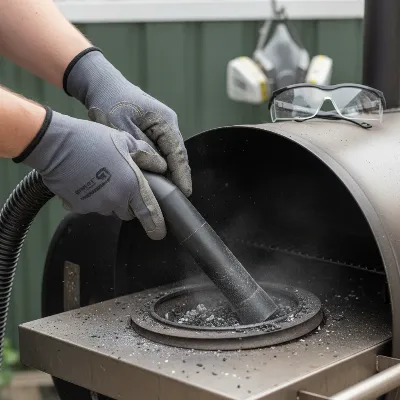 A person safely vacuuming ash from the burn pot of a pellet smoker with a shop vac.
Cleaning the Interior Chamber and Smokestack
The main barrel and the smokestack also collect creosote and grease.
- Interior Walls and Lid: Use your scraper to remove any significant buildup from the interior walls and the underside of the lid. Then, spray with a food-safe BBQ degreaser or wipe with a damp cloth soaked in soapy water. Wipe clean with a fresh microfiber cloth.
- Smokestack: Remove the smokestack cap. Use a brush or a wooden scraper to dislodge creosote and soot from the inside of the smokestack. Wipe out the residue with a rag or paper towel. Clean the cap with soapy water and dry thoroughly before reattaching.
Exterior Cleaning and Final Touches
Clean the outside to keep your smoker looking its best.
- Exterior Surfaces: Wipe down all exterior surfaces using warm water mixed with mild dish soap or an exterior-safe cleaner. Use a non-abrasive sponge or cloth to avoid scratching. Pay attention to the thermostat panel and control dials.
- Grease Bucket: Empty the grease bucket and wash it thoroughly with warm, soapy water. Grease bucket liners can make future cleanups much easier.
Reassembly and Seasoning
Once all components are clean and dry, reassemble your pellet smoker.
- Seasoning: After a deep clean, it’s a good practice to re-season your grill. Lightly brush the grates and flame broiler plate with a high-temperature oil. Reinstall all components. Turn on the grill, set the temperature to around 350-400°F (176-200°C), and let it run for 15-20 minutes. This helps protect against rust and creates a non-stick surface.
Safety Precautions for Pellet Smoker Cleaning
Safety is paramount when working with any appliance, especially one that uses heat and electricity. Adhering to these precautions will help prevent accidents and damage.
- Always Unplug: Before you touch any internal components or begin cleaning, ensure your pellet smoker is completely unplugged from its power source.
- Wait Until Cold: Never attempt to clean a hot or warm grill. Allow it to cool down completely to prevent burns and the risk of fire.
- Avoid Water in Electrical Areas: Keep water and cleaning solutions away from the controller, igniter, and other electrical components. Water in these areas can cause severe damage or electrical hazards.
- Wear Protective Gear: Gloves protect your hands from grease, ash, and cleaning chemicals. Safety glasses are also advisable, especially when scraping, to prevent debris from entering your eyes.
- Use Non-Abrasive Tools Carefully: While scrapers are necessary for caked-on residue, avoid overly aggressive scrubbing that could damage protective coatings or paint.
- Check for Bristles: If you opt to use a wire brush, meticulously inspect your grates afterward to ensure no loose wire bristles remain, which could be ingested with food. Bristle-free options are generally safer.
Maintaining Your Pellet Smoker for Longevity
Deep cleaning is essential, but consistent maintenance between major cleans will significantly extend your pellet smoker’s life and performance.
- Regular Quick Cleans: After every cook, quickly scrape down your grates and wipe out any spills or splatters.
- Frequent Ash Removal: Vacuum out the burn pot and ash collection system every 2-3 cooks to prevent airflow issues.
- Proper Storage: When not in use, especially in harsh weather, cover your pellet smoker with a weather-resistant cover. Store it in a dry, sheltered location to prevent rust and corrosion.
- Inspect Regularly: Periodically check hoses, connections, and internal components for signs of wear, rust, or damage. Address any issues promptly.
- Season After Deep Cleans: As mentioned, seasoning creates a protective layer and enhances the non-stick properties of your grates.
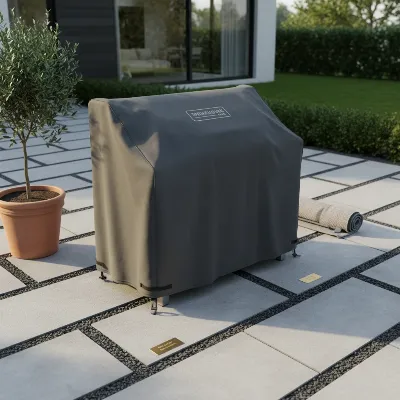 A clean, well-maintained pellet smoker covered and stored outdoors on a patio.
Conclusion
Mastering the art of cleaning your pellet smoker is as crucial as perfecting your smoking techniques. By committing to regular maintenance and following these safe, DIY deep cleaning steps, you’ll ensure your pellet smoker consistently performs at its best, delivering delicious, perfectly smoked meals for many years to come. A clean smoker translates to better flavor, increased efficiency, and a significantly reduced risk of malfunction or fire. What are your go-to cleaning tips for keeping your pellet smoker in pristine condition?
Frequently Asked Questions
How often should I deep clean my pellet smoker?
A deep clean is recommended after every 20 hours of cooking or every few months, depending on how frequently you use it. For casual users, a thorough cleaning two to four times a year might suffice.
Can I use a regular shop vacuum to clean out ash?
Yes, a regular shop vacuum can be used to remove cold ash. However, ensure the ash is completely cold to avoid damaging the vacuum or creating a fire hazard. An ash vacuum with a metal hose and canister is often preferred for added safety.
Is it safe to use water inside my pellet smoker for cleaning?
Use water sparingly and carefully. It’s generally safe for cleaning grates, drip trays, and exterior surfaces. However, never introduce water directly into the burn pot or near electrical components, as this can cause severe damage or electrical shock.
Do I need to re-season my pellet grill after every clean?
While not strictly necessary after every light clean, it’s highly recommended to re-season your pellet grill after a thorough deep clean. This step helps protect the metal from rust and builds up a non-stick surface, enhancing cooking performance.
What should I do if my pellet smoker smells bad after cleaning?
If a foul odor persists after cleaning, it’s likely due to residual grease or creosote. Ensure all components, especially the drip tray and grease channels, are thoroughly clean. Running the grill empty at a high temperature for a short period (burn-off cycle) after cleaning and seasoning can also help eliminate lingering smells.
Frequently Asked Questions
How often should I deep clean my pellet smoker?
A deep clean is recommended after every 20 hours of cooking or every few months, depending on usage frequency. For casual users, cleaning two to four times a year is generally sufficient to maintain performance.
Can a regular shop vacuum be used to clean ash from a pellet smoker?
Yes, a regular shop vacuum can remove cold ash from a pellet smoker. It is crucial to ensure the ash is completely cold to prevent damage to the vacuum or a fire hazard. An ash vacuum with a metal hose and canister offers enhanced safety.
Is it safe to use water inside a pellet smoker for cleaning?
Water is safe for cleaning grates, drip trays, and exterior surfaces of a pellet smoker. However, never introduce water directly into the burn pot or near electrical components like the igniter, as this can cause severe damage or electrical shock.
Do I need to re-season my pellet grill after every deep clean?
It is highly recommended to re-season your pellet grill after a thorough deep clean. This process helps protect the metal from rust and builds up a non-stick surface, which enhances overall cooking performance and longevity.
What should I do if my pellet smoker still smells bad after cleaning?
If a foul odor persists after cleaning, it likely indicates residual grease or creosote. Ensure all components, especially the drip tray and grease channels, are thoroughly cleaned. Running the grill empty at 350-400u00b0F for 15-20 minutes after cleaning and seasoning can help eliminate lingering smells.
Deep Clean Your Pellet Smoker
A systematic approach to thoroughly clean your pellet smoker, ensuring it delivers perfect smoky goodness for years to come.
First, remove all pellets from the hopper and run the grill at 400u00b0F (200u00b0C) for 15 minutes to burn off remaining pellets. Then, shut down the grill, let it cool completely, and disconnect the power cord for safety.
Remove and scrub cooking grates with a bristle-free brush, soaking them in warm, soapy water for a deeper clean. Use a scraper to dislodge grease from the heat deflector and drip tray, then wash these parts with soapy water or BBQ degreaser, rinsing and drying completely.
Using a wet/dry vacuum, carefully remove all ash and debris from the burn pot and the bottom of the cooking chamber. Gently scrape any hard scale or carbon buildup from the burn pot with a non-metallic scraper and wipe clean with a dry cloth.
Scrape significant buildup from interior walls and the lid's underside, then wipe with food-safe degreaser or soapy water. Remove the smokestack cap, brush out creosote, and wipe clean before reattaching the cap.
Once all components are clean and dry, reassemble your pellet smoker. Lightly brush the grates and flame broiler plate with a high-temperature oil, then run the grill at 350-400u00b0F (176-200u00b0C) for 15-20 minutes to re-season and protect against rust.

The advice to remove all pellets first is good, but I wish there was a better way to do it without making a mess. It’s always a bit of a hassle with my Z Grills hopper. Otherwise, the steps for washing the removable parts with soapy water were straightforward and effective.
This really helped me get my Traeger back in shape. I hadn’t realized how much creosote had built up on the inside walls until I started scraping. It definitely makes sense now why my last few cooks had a slightly off flavor. My grill is running like new again!
I used to dread cleaning my Pit Boss, but following these steps made it so much easier. The tip about vacuuming out the ash from the burn pot before anything else was a game-changer. My last brisket came out perfectly, and I really think keeping the airflow clear made a difference in temperature stability.
Great guide! I always forget to season the grates after washing them, so that reminder was super helpful for preventing rust. My only minor complaint is that scraping off the baked-on grease still takes a lot of elbow grease, even with a good scraper. Maybe a specific product recommendation for that would be nice.